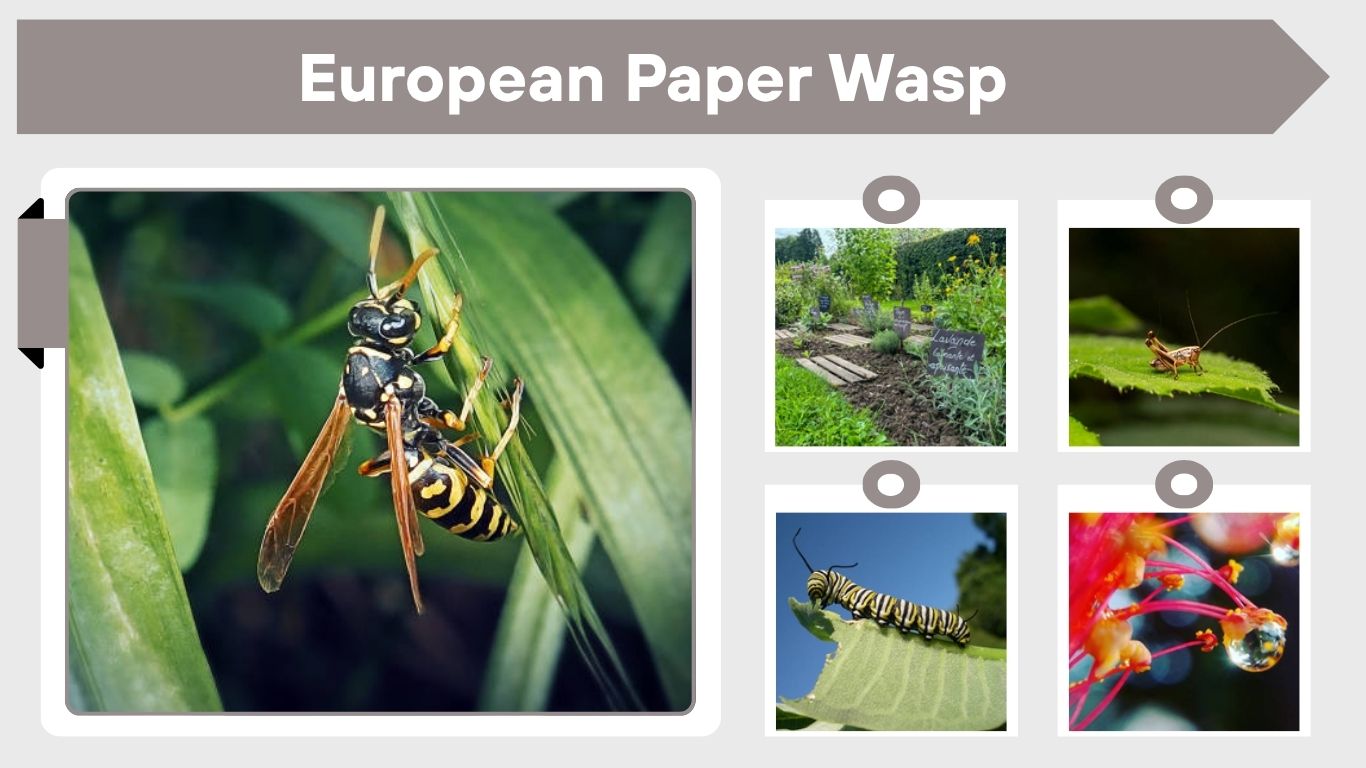
The European paper wasp (Polistes dominula) is one of the most commonly encountered wasp species in many parts of the world. Originally native to Europe, it has spread widely across North America, Australia, and beyond. Many people confuse it with yellow jackets due to its similar coloring, but its behavior and nesting habits are quite different. Understanding how to identify, compare, and assess the risks of this species is essential for both safety and ecological awareness.
What Is a European Paper Wasp?
The European paper wasp is a social insect known for building small, open-comb nests from a paper-like material made by chewing wood fibers. Unlike more aggressive wasps, this species is generally less hostile unless provoked. It plays a dual role in the ecosystem, acting both as a predator of pest insects and as a mild pollinator in gardens and natural habitats.
European Paper Wasp Identification

Recognizing a European paper wasp correctly helps avoid unnecessary fear and confusion with more aggressive species. Their slim body and distinctive markings set them apart from bees and yellow jackets.
- Bright yellow and black coloration with defined patterns
- Slender body with a narrow waist
- Long legs that hang down during flight
- Typically about 1.5 to 2 cm in length
Male vs Female European Paper Wasp
Male and female wasps can look similar at first glance, but there are subtle differences. Males usually have curled antennae and slightly different facial markings. Females, especially workers and queens, possess stingers and are responsible for colony defense and survival.
Queen vs Worker Wasps
The queen is the largest member of the colony and is responsible for laying eggs and starting new nests. Workers are smaller and handle tasks such as gathering food, building nests, and protecting the colony. Their coordinated roles ensure the survival of the group throughout the season.
European Paper Wasp vs Other Wasps

Many people misidentify European paper wasps because they resemble other stinging insects. Knowing the differences can help reduce unnecessary panic and guide proper action.
European Paper Wasp vs Yellow Jacket
- Paper wasps have slimmer bodies; yellow jackets are stockier
- Paper wasps build open nests; yellow jackets build enclosed nests
- Paper wasps are less aggressive than yellow jackets
European Wasp vs Paper Wasp
- European wasps often nest underground or in cavities
- Paper wasps prefer exposed, hanging nests
- Body shape is bulkier in European wasps
European Hornet vs Paper Wasp
- Hornets are significantly larger
- Hornets have more powerful stings
- Paper wasps are less intimidating in appearance
European Paper Wasp Behavior and Lifestyle
European paper wasps live in small, organized colonies with a clear division of roles. Their behavior is generally calm when away from the nest, and they are often seen flying around gardens in search of food. They are most active during warm daylight hours and tend to return to their nests at night. While not naturally aggressive, they will defend their nest if they feel threatened, making proximity to their colony the main risk factor for stings.
European Paper Wasp Habitat and Distribution

The European paper wasp has successfully adapted to a wide range of environments, allowing it to spread far beyond its native region. Its ability to live near human structures makes it a frequent sight in residential areas.
- Native to Europe but now widespread globally
- Found in the United States, Canada, Australia, and the UK
- Prefers warm climates but adapts well to urban settings
- Commonly nests in buildings, gardens, and sheltered outdoor areas
European Paper Wasp Nest
The nest of a European paper wasp is one of its most distinctive features and is often the easiest way to identify its presence. These nests are typically small at first but grow steadily as the colony expands.
Nest Structure and Appearance
European paper wasp nests have an open, umbrella-like design with visible hexagonal cells. Unlike enclosed nests, these are not covered, making the larvae inside easy to see. The material is created by mixing saliva with chewed wood fibers, giving it a papery texture.
Nest Locations
They prefer sheltered and elevated areas that offer protection from weather and predators. Common nesting spots include roof eaves, window frames, attics, tree branches, and even outdoor furniture.
Nest Size and Growth
Nests usually begin small in early spring and can grow to house dozens of wasps by late summer. The size depends on environmental conditions and the availability of food sources nearby.
European Paper Wasp Life Cycle and Lifespan
The life cycle of the European paper wasp follows a seasonal pattern that begins in spring and ends in late autumn. Each stage plays a key role in colony development and survival. Understanding this cycle helps explain their behavior and population changes throughout the year.
Stages of Development
- Egg stage begins when the queen lays eggs in early spring
- Larvae hatch and are fed by adult workers
- Pupae develop inside cells before emerging as adults
- Adult workers take over nest duties and expansion
Lifespan of Wasps
- Queens can live up to one year, surviving winter
- Workers typically live a few weeks during active season
- Males live shorter lives and mainly focus on reproduction
European Paper Wasp Diet and Feeding Habits

European paper wasps have a varied diet that supports both adult survival and larval development. Their feeding behavior also makes them beneficial in controlling certain garden pests.
What Do They Eat?
- Adults feed on nectar, fruit juices, and sugary substances
- Larvae are fed protein-rich insects like caterpillars
- They often hunt garden pests, helping natural pest control
Role in Ecosystem
- Act as minor pollinators while feeding on flowers
- Help reduce insect populations naturally
- Contribute to ecological balance in gardens and farms
Are European Paper Wasps Dangerous?
European paper wasps are often misunderstood when it comes to danger. While they are capable of stinging, they are not typically aggressive without reason. Most stings occur when their nest is disturbed or when they feel threatened. For the average person, a sting is painful but not dangerous. However, individuals with allergies should take extra precautions, as reactions can be more serious.
European Paper Wasp Sting
Stings are the primary concern people have with these insects. Knowing what to expect and how to respond can reduce fear and improve safety when encountering them.
Do They Sting and Why?
European paper wasps sting as a defense mechanism. Unlike bees, they can sting multiple times because their stinger does not detach. They usually sting only when protecting their nest or if handled directly.
Sting Pain and Symptoms
The sting causes immediate sharp pain followed by redness, swelling, and irritation. Pain levels are moderate compared to other wasps, but sensitivity varies from person to person.
Sting Treatment
Basic first aid includes cleaning the area, applying a cold compress, and using antihistamines if needed. Medical attention should be sought if severe swelling, breathing issues, or allergic reactions occur.
How to Get Rid of European Paper Wasps

Controlling European paper wasps is sometimes necessary when nests are built near homes or high-traffic areas. Prevention and early action are the most effective strategies.
Natural Deterrents
- Remove food sources like exposed sugary drinks and fruits
- Seal cracks and gaps in walls or roofs
- Use strong scents like peppermint oil as repellents
Traps and Baits
- Use commercial wasp traps placed away from living areas
- Homemade bait using sugar and water can attract them
- Place traps early in the season to reduce population growth
Chemical Control
- Apply insecticides carefully during low activity times
- Always follow safety instructions on products
- Consider professional help for large infestations
European Paper Wasp Nest Removal
Removing a nest should be approached with caution to avoid provoking the colony. Timing and safety measures are critical when dealing with active nests.
When to Remove a Nest
Nests should be removed if they are close to entrances, living spaces, or areas with frequent human activity. Early removal in spring is easier and safer.
Safe Removal Tips
The best time to remove a nest is at night or early morning when wasps are less active. Wearing protective clothing reduces the risk of stings during the process.
DIY vs Professional Removal
Small nests can sometimes be removed safely by homeowners, but larger or hard-to-reach nests should be handled by pest control professionals to ensure safety.
Conclusion
The European paper wasp is a fascinating yet often misunderstood insect. While it can pose a risk through stings, it also provides benefits such as pest control and pollination. Learning to identify and understand its behavior helps reduce fear and allows for better decision-making when dealing with nests. In many cases, coexistence is possible, but proper control methods should be used when necessary.
FAQs
Are European paper wasps aggressive?
They are generally not aggressive unless their nest is threatened. Away from their colony, they tend to ignore humans and focus on gathering food. However, if disturbed, they can become defensive and may sting.
Do European paper wasps sting multiple times?
Yes, they can sting multiple times because their stinger does not detach like a bee’s. This makes them more capable of repeated defense if they feel threatened.
Are European paper wasps dangerous to humans?
For most people, they are not dangerous, though their sting is painful. However, individuals with allergies may experience serious reactions and should be cautious.
What attracts European paper wasps?
They are attracted to sugary foods, fruits, and protein sources like insects. Open garbage, outdoor food, and garden pests can all draw them closer to human spaces.
How can I prevent European paper wasps from nesting?
Regularly inspect your home for early nest formation, seal entry points, and remove food sources. Preventive action in spring is the most effective way to stop nests from developing.