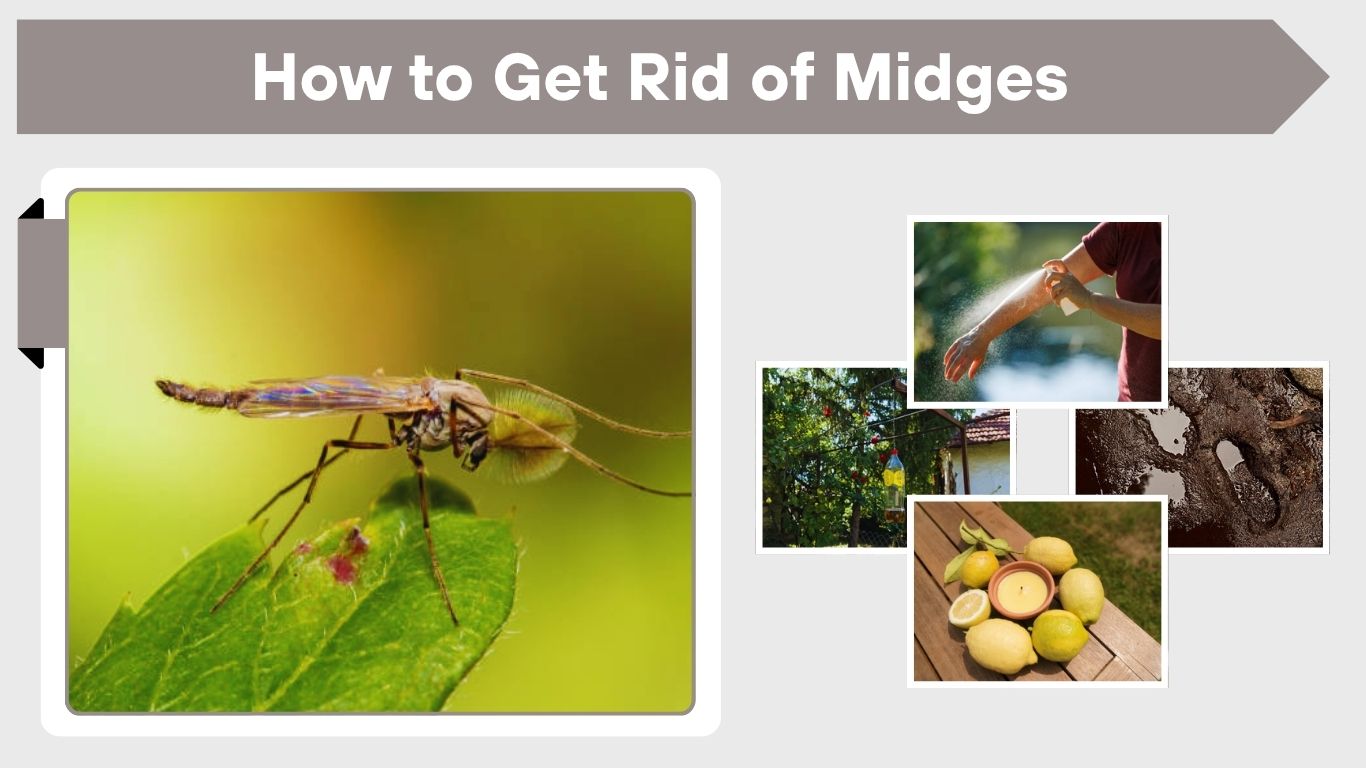
Midges are tiny flying insects that can quickly turn a peaceful evening into an irritating experience. Whether they are biting midges that leave itchy marks or non-biting ones that swarm in large numbers, these pests are a common problem in many homes and outdoor spaces. They are especially active in warm, humid conditions and are often found near water sources.
Many people struggle with midges both inside and outside the house, particularly during evenings and nighttime when they are most active. The good news is that there are effective ways to control and get rid of midges using natural methods, home remedies, and practical prevention techniques. This guide covers everything you need to know to deal with midges in different situations.
What Are Midges?
Midges are small flying insects that belong to several species, and they are often confused with gnats or mosquitoes. While they may look harmless, some types can bite and cause discomfort.
Types of Midges
- Biting midges: These feed on blood and can cause itchy, irritating bites
- Non-biting midges: These do not bite but form large swarms that can be annoying
Midges are commonly found in areas with moisture, such as near lakes, rivers, gardens, and damp soil. They tend to be most active during early morning, late evening, and nighttime when the air is calm.
Why Do Midges Appear Around Your Home?

Understanding what attracts midges is the first step to getting rid of them effectively. These insects are drawn to specific environmental conditions that support their breeding and survival.
Common Causes
- Standing water: Midges lay eggs in water or damp areas like ponds, clogged drains, and containers
- Moist soil: Gardens and wet ground provide ideal breeding conditions
- Outdoor lighting: Lights attract swarms, especially at night
- Warm and humid weather: These conditions increase midge activity
If your home has any of these factors, it becomes more likely to attract midges in large numbers.
How to Get Rid of Midges Outside Naturally

Getting rid of midges outdoors naturally is possible by making your environment less attractive to them. Simple changes can significantly reduce their presence.
Effective Natural Methods
- Remove standing water
Eliminate water sources such as buckets, plant trays, and clogged gutters. This prevents midges from breeding. - Use natural repellents
Scents like citronella, eucalyptus, lavender, and peppermint help repel midges naturally. - Grow repellent plants
Plants such as basil, mint, and marigold can help keep midges away from patios and gardens. - Increase airflow
Midges are weak fliers, so using outdoor fans can disrupt their movement and reduce swarming.
These methods are safe, eco-friendly, and effective when used consistently.
How to Get Rid of Midges Outside at Night

Midges become more active at night, especially around lights. Controlling them during this time requires a slightly different approach.
Nighttime Solutions
- Reduce outdoor lighting
Bright lights attract midges. Switching to warm-colored or yellow bug lights can reduce their presence. - Use citronella candles
These not only provide light but also repel insects effectively. - Avoid sitting near water
Stay away from ponds, lakes, or damp areas during peak activity times. - Use outdoor fans
Air circulation helps keep midges from gathering in one place.
Combining these methods can make outdoor evenings much more comfortable.
How to Get Rid of Midges in the House
Midges can easily enter your home through open doors, windows, or small gaps. Once inside, they can become a persistent nuisance.
Indoor Control Methods
- Install window screens
Fine mesh screens prevent midges from entering while allowing fresh air in. - Keep doors and windows closed
Especially during evening hours when midges are most active. - Use indoor traps
Sticky traps or light traps can help capture flying insects. - Maintain cleanliness
Remove food sources and reduce moisture to make your home less attractive.
These steps help reduce the chances of midges entering and staying indoors.
How to Get Rid of Midges in the House at Night
Nighttime is when indoor midge activity often increases due to lighting and quiet conditions.
Nighttime Indoor Tips
- Turn off unnecessary lights
Lights attract midges, so reducing them can help keep insects away. - Use plug-in repellents or diffusers
Devices that release insect-repelling scents can be effective overnight. - Seal gaps and cracks
Check around windows, doors, and vents for entry points and seal them. - Use bed nets if necessary
In areas with high midge activity, bed nets can provide protection while sleeping.
These simple actions can significantly reduce indoor disturbances caused by midges at night.
How to Get Rid of Midges Using Home Remedies

Home remedies are a popular and cost-effective way to deal with midges without using harsh chemicals.
Common DIY Solutions
- Vinegar traps
A mixture of apple cider vinegar and a few drops of dish soap can attract and trap midges. - Soap spray
A mild soap solution can kill midges on contact when sprayed directly. - Essential oil spray
Mixing water with oils like peppermint or tea tree creates a natural repellent spray. - Homemade repellents
Combining natural ingredients can help keep midges away from both indoor and outdoor spaces.
These remedies are easy to prepare and can be quite effective when used regularly.
How to Get Rid of Midges Outside Naturally with Vinegar
Vinegar is one of the most effective and affordable home remedies for controlling midges. It works by attracting them and trapping them, reducing their numbers over time.
How to Make a Vinegar Trap
- Fill a small bowl or jar with apple cider vinegar
- Add a few drops of dish soap (this breaks surface tension)
- Place the trap in areas where midges gather
Where to Place Traps
- Outdoor seating areas
- Near plants or garden corners
- Close to doors and windows
Effectiveness
Vinegar traps work best for reducing small infestations. For larger swarms, they should be combined with other methods like removing water sources and using airflow.
How to Get Rid of Biting Midges

Biting midges are more than just a nuisance—they can cause itchy, irritating bites. Controlling them requires both prevention and personal protection.
Best Ways to Stop Bites
- Use insect repellents
Products containing DEET or natural alternatives like lemon eucalyptus oil are effective - Wear protective clothing
Long sleeves and pants reduce exposed skin - Avoid peak activity times
Dawn and dusk are when biting midges are most active - Install fine mesh screens
These prevent midges from entering your home
Taking these steps can greatly reduce the chances of being bitten.
How to Get Rid of Non-Biting Midges Outside
Non-biting midges do not harm humans, but their swarms can be overwhelming and unpleasant.
Control Methods
- Eliminate breeding grounds
Remove standing water and reduce damp areas - Adjust lighting
Switch to bug-resistant lights to reduce attraction - Use outdoor traps
Sticky traps and light traps can reduce their numbers - Maintain clean surroundings
Removing organic debris helps prevent breeding
These steps help keep outdoor spaces more comfortable and midge-free.
How to Get Rid of Midges and Gnats

Midges and gnats are often confused because they look similar and thrive in similar environments. Fortunately, many control methods work for both.
Shared Control Strategies
| Method | Effectiveness |
| Remove standing water | High |
| Use vinegar traps | Moderate |
| Improve ventilation | High |
| Maintain cleanliness | High |
Both insects are attracted to moisture and organic matter, so keeping your environment dry and clean is key to controlling them.
Prevention Tips
Preventing midges from returning is just as important as getting rid of them. Long-term control depends on maintaining an environment that is not suitable for breeding.
Key Prevention Methods
- Keep areas dry
Fix leaks and avoid water buildup - Clean drains and gutters regularly
Prevent water stagnation - Use screens on windows and doors
Block entry points - Maintain airflow
Fans help keep midges away - Limit outdoor lighting at night
Reduce attraction
Consistency with these steps will help keep midges from becoming a recurring problem.
Best Products (Optional Solutions)
While natural remedies work well, some commercial products can provide faster results.
- Bug zappers (effective outdoors but may attract more insects)
- Sticky traps (good for indoor use)
- Natural repellents (safe and eco-friendly)
- Plug-in insect repellents (useful at night indoors)
Choosing the right product depends on the severity of the problem and your environment.
FAQs
What is the fastest way to get rid of midges?
The fastest way to reduce midges is to remove standing water, use traps like vinegar solutions, and increase airflow with fans. Combining these methods provides quick and noticeable results, especially in outdoor areas.
Why are midges worse at night?
Midges are more active at night because they are attracted to light and prefer calm, cool conditions. Artificial lighting around homes draws them in, leading to increased swarming during evening and nighttime hours.
Do vinegar traps really work for midges?
Yes, vinegar traps can be effective for reducing small numbers of midges. The vinegar attracts them, and the dish soap prevents escape. However, they work best when combined with other control methods.
How do I stop midges from biting me?
To prevent bites, use insect repellents, wear protective clothing, and avoid outdoor activity during peak times like dawn and dusk. Installing screens and using fans can also help reduce exposure.
Are midges harmful or just annoying?
Non-biting midges are mostly harmless but annoying. Biting midges, however, can cause itchy bites and skin irritation. While not usually dangerous, they can be uncomfortable and persistent if not controlled properly.