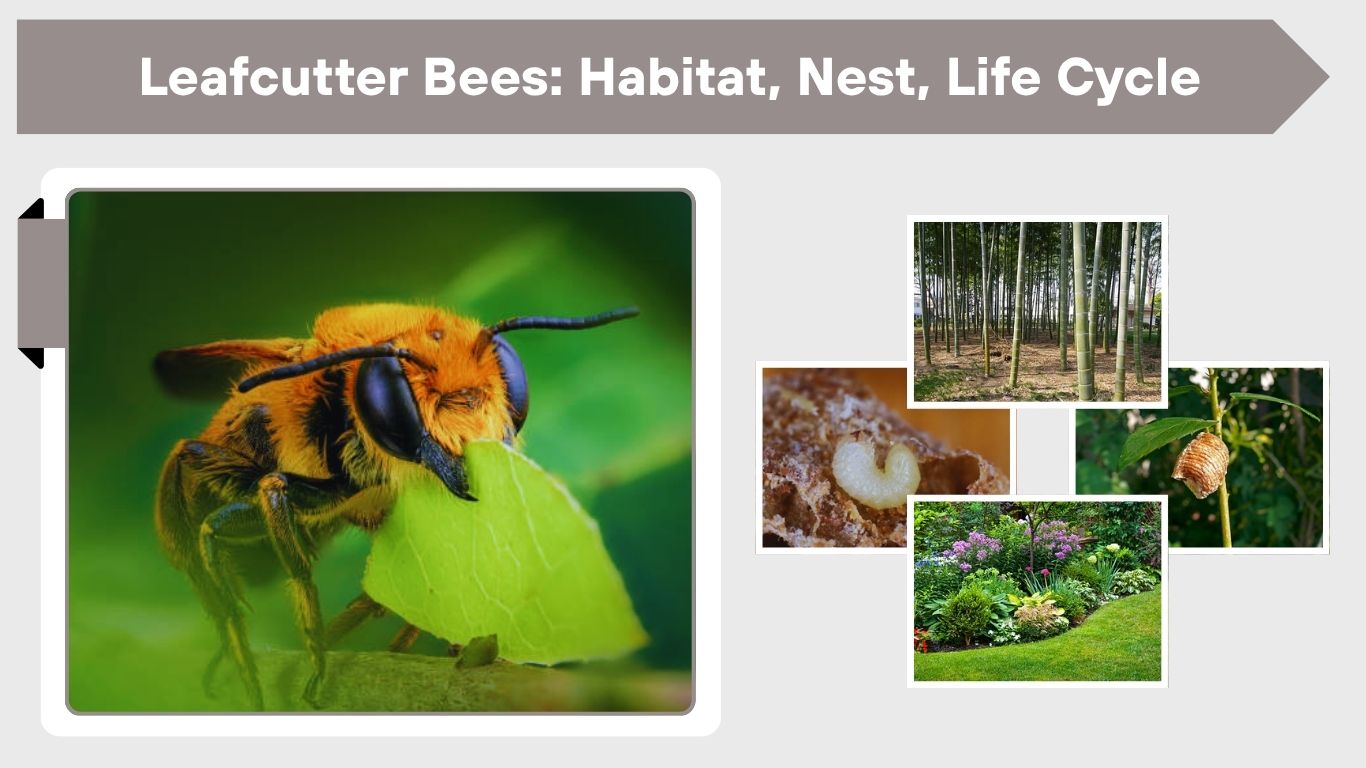
Leafcutter bees are fascinating, solitary pollinators known for their unique habit of cutting neat pieces from leaves. Unlike honeybees, they don’t live in colonies or produce honey, but they play a crucial role in pollination. Many gardeners notice their leaf-cutting behavior and wonder whether these bees are harmful or beneficial.
Understanding leafcutter bees helps you manage your garden better while supporting biodiversity. In most cases, these bees are more helpful than harmful.
What Are Leafcutter Bees?
Leafcutter bees belong to the genus Megachile, a group of solitary bees found worldwide. They are named after their distinctive behavior of cutting circular or oval pieces from leaves to build their nests.
Key Identification Features
- Medium-sized bees, often gray or brown
- Carry pollen on the underside of their abdomen (not on legs like honeybees)
- Known for perfectly round cuts on leaves
- Solitary nature—each female builds her own nest
Leafcutter Bee Habitat

Leafcutter bees thrive in environments where flowers, nesting sites, and suitable leaves are available.
Natural Habitats
- Forest edges and meadows
- Gardens with flowering plants
- Areas with soft wood or hollow stems
They prefer warm climates and are especially active during spring and summer.
Urban and Backyard Environments
Leafcutter bees adapt well to human environments. You’ll often find them in:
- Home gardens
- Parks
- Balconies with potted plants
They commonly nest in small holes, making urban spaces ideal for them.
Leafcutter Bee Nest

Leafcutter bees build unique nests using pieces of leaves, which makes them stand out from other bee species.
Where Do Leafcutter Bees Build Nests?
They usually choose:
- Hollow plant stems
- Holes in wood
- Cracks in walls
- Artificial bee houses
These narrow spaces provide protection for their developing offspring.
How Leafcutter Bee Nests Are Built
The female bee cuts pieces of leaves and uses them to line small compartments inside a tunnel. Each compartment becomes a separate chamber for one egg. She places pollen and nectar inside as food before sealing the cell with more leaf pieces.
What a Leafcutter Bee Nest Looks Like
A nest appears as a series of leaf-lined cells inside a narrow tube or hole. From the outside, you may only notice a plugged entrance made of leaf material.
Leafcutter Bee Life Cycle

Leafcutter bees go through a complete metamorphosis with four distinct stages.
Egg Stage
The female lays a single egg in each leaf-lined cell. Along with the egg, she provides a supply of pollen and nectar for the larva to feed on after hatching.
Larva Stage
Once hatched, the larva consumes the stored food. This stage is focused on growth and development.
Pupa Stage
After feeding, the larva transforms into a pupa inside the sealed cell. During this stage, it develops into an adult bee.
Adult Stage
The adult bee emerges from the nest, ready to mate and continue the cycle. Most leafcutter bees have one generation per year.
Leafcutter Bee Damage
Leafcutter bees are often noticed because of the distinctive damage they leave on plants.
Why Leafcutter Bees Cut Leaves
They cut leaves to build and protect their nests, not to eat them. This behavior is essential for their reproduction.
Common Signs of Damage
- Smooth, circular or oval holes in leaves
- Damage mostly on roses, beans, and shrubs
- Clean cuts rather than ragged edges
Is Leafcutter Bee Damage Harmful?
In most cases, the damage is cosmetic. Healthy plants can tolerate leaf cutting without serious problems. However, heavy activity may slightly reduce plant appearance or growth in rare cases.
Leafcutter Bee Facts
Leafcutter bees are among the most efficient and interesting pollinators in the natural world. Despite their small size, they contribute significantly to plant reproduction and ecosystem balance.
Unique Behaviors
- Solitary lifestyle—each female works independently
- Use leaves as building material, not food
- Highly active during daylight hours
- Strong navigational ability to return to nests
Ecological Importance
Leafcutter bees are excellent pollinators, often more efficient than honeybees for certain crops. They help fertilize flowers, which leads to better fruit and seed production. Farmers sometimes even manage leafcutter bees to improve crop yields.
Differences from Other Bees
- Do not produce honey or wax
- Less aggressive than social bees
- Carry pollen on their abdomen instead of legs
- Do not live in colonies or have queens
Do Leafcutter Bees Bite or Sting?

Many people worry about safety when they see bees in their garden, but leafcutter bees are generally harmless.
Can Leafcutter Bees Bite?
Leafcutter bees can technically bite, but it is extremely rare and not harmful. Their jaws are designed for cutting leaves, not for defense against humans.
Do They Sting Humans?
Female leafcutter bees can sting, but they are non-aggressive and only sting if handled or threatened. Their sting is mild compared to other bees, and most people never experience it.
Leafcutter Bee Control
Since leafcutter bees are beneficial pollinators, control should only be considered when their activity becomes excessive or problematic.
When Control Is Necessary
- Significant cosmetic damage to ornamental plants
- Nesting in unwanted areas like walls or furniture
- High population in a small garden space
Natural Control Methods
- Cover sensitive plants with fine mesh or netting
- Place alternative nesting sites away from key plants
- Regularly inspect and manage garden areas
Preventive Measures
- Seal small holes in wood or walls
- Avoid leaving exposed hollow stems
- Maintain plant health to tolerate minor damage
Should You Remove Leafcutter Bees?
In most cases, removal is not recommended. These bees are valuable for pollination and rarely cause serious harm. Encouraging coexistence is usually the best approach for both gardeners and the environment.
Benefits of Leafcutter Bees in Your Garden

Leafcutter bees can actually improve the health and productivity of your garden.
Pollination Efficiency
They are highly effective pollinators, especially for crops like beans, peas, and certain fruits. Their method of collecting pollen helps transfer it efficiently between flowers.
Supporting Biodiversity
By pollinating a wide range of plants, leafcutter bees support a balanced ecosystem. Their presence indicates a healthy and thriving environment.
FAQs
Are leafcutter bees dangerous?
Leafcutter bees are not dangerous and are considered one of the safest bee species around humans. They are non-aggressive and rarely sting. Their primary focus is gathering leaves and pollinating plants, not defending territory like social bees.
Why are my plant leaves full of holes?
If you notice clean, circular holes in leaves, leafcutter bees are likely responsible. They cut these pieces to build nests. While it may look concerning, the damage is usually cosmetic and does not harm healthy plants significantly.
How can I get rid of leafcutter bees naturally?
To reduce their activity, cover plants with netting, seal nesting holes, and remove attractive nesting spots. Avoid chemical pesticides, as these bees are beneficial pollinators and play an important role in the ecosystem.
Do leafcutter bees produce honey?
No, leafcutter bees do not produce honey. They are solitary bees that focus on nesting and pollination rather than storing food. Each female creates individual nests instead of living in large colonies like honeybees.
Conclusion
Leafcutter bees are unique, beneficial insects that play an important role in pollination and ecosystem health. Although their leaf-cutting behavior may concern gardeners, the damage is usually minor and cosmetic. By understanding their habits and benefits, you can make informed decisions and often choose coexistence over control.