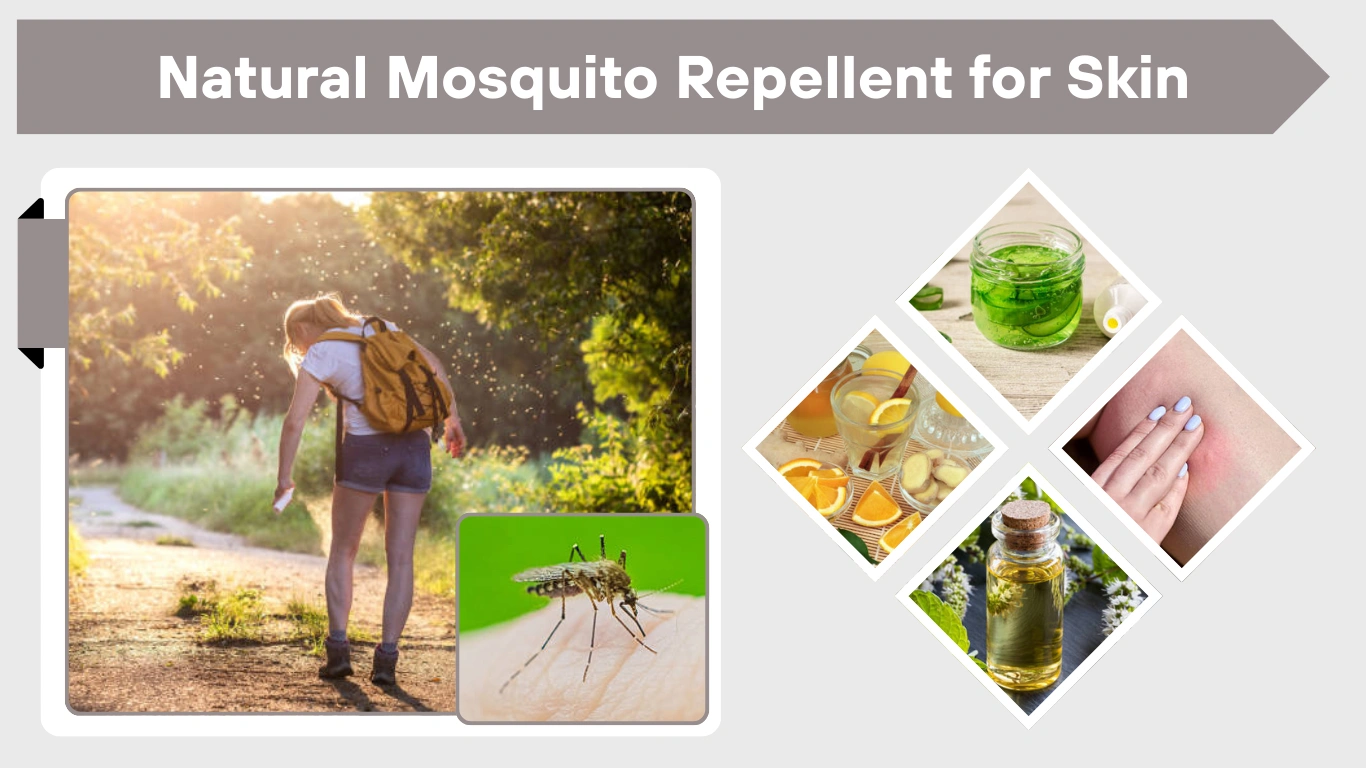
Mosquito bites are not only irritating but can also carry health risks, which is why many people look for ways to protect their skin without relying on harsh chemicals. Natural mosquito repellent for skin has become increasingly popular among those who prefer plant-based, gentle alternatives. These repellents use essential oils and natural ingredients to discourage mosquitoes from landing and biting. Understanding how natural repellents work and which ingredients are most effective can help you choose or create a safe solution for everyday use.
What Is a Natural Mosquito Repellent for Skin
A natural mosquito repellent for skin is a product made from plant-based oils, botanical extracts, and other naturally derived ingredients that help keep mosquitoes away. Instead of using synthetic chemicals, natural repellents rely on strong natural scents that interfere with a mosquito’s ability to locate human skin.
These repellents are often chosen by people with sensitive skin, families with children, and those who prefer eco-friendly solutions. While natural repellents may not last as long as chemical ones, they can still provide effective short-term protection when applied correctly and reapplied as needed.
Why Choose Natural Mosquito Repellent for Your Skin
One of the main reasons people turn to natural mosquito repellents is skin safety. Many natural formulas are free from harsh synthetic ingredients that can cause irritation, dryness, or allergic reactions. This makes them a more comfortable option for frequent application.
Natural repellents are also popular among those who want environmentally friendly products. Plant-based oils break down more easily in nature and generally pose less risk to pets and wildlife. For everyday outdoor activities such as gardening, walking, or relaxing at home, natural repellents can offer a gentle yet helpful layer of protection.
Best Natural Ingredients That Repel Mosquitoes

Several plant oils and natural extracts are known to discourage mosquitoes. These ingredients are commonly used alone or blended together in natural skin repellents.
- Citronella oil
- Lemon eucalyptus oil
- Lavender oil
- Peppermint oil
- Tea tree oil
- Neem oil
- Cedarwood oil
- Basil oil
Each of these oils has a strong aroma that interferes with the mosquito’s ability to detect carbon dioxide and body odors, which are the main signals mosquitoes use to find humans.
How Natural Mosquito Repellents Work on Skin
How Mosquitoes Detect Humans
Mosquitoes rely heavily on their sense of smell to locate people. They are attracted to carbon dioxide released when we breathe, as well as to body heat, sweat, and skin odors. Lactic acid and other natural compounds on human skin act as powerful signals that guide mosquitoes toward a potential blood meal.
How Natural Oils Repel Mosquitoes
Natural mosquito repellents work by masking or confusing these signals. Essential oils release strong plant scents that interfere with the mosquito’s sensory system. Instead of being drawn toward human skin, mosquitoes become disoriented and are more likely to move away. Some oils also create an unpleasant environment for mosquitoes, making them less likely to land.
Natural vs Chemical Repellents
Chemical repellents are usually designed to last longer and provide stronger protection in high-risk areas. Natural repellents, on the other hand, focus on gentler, short-term protection. They are well suited for everyday use, light outdoor activity, and people who want to limit chemical exposure, although they require more frequent reapplication.
DIY Natural Mosquito Repellent Recipes for Skin

Many people prefer to make their own natural mosquito repellent so they can control the ingredients and strength. Simple recipes can be prepared at home using essential oils and basic carriers.
- Essential oil spray
- Aloe vera repellent gel
- Coconut oil mosquito balm
- Witch hazel repellent spray
- Apple cider vinegar skin solution
These homemade options allow flexibility in scent, texture, and strength, making them suitable for different skin types and situations.
Natural Mosquito Repellent Spray for Skin
Basic DIY Spray Recipe
A basic natural mosquito repellent spray usually combines water or witch hazel with a carrier oil and several drops of essential oils such as citronella, lavender, or lemon eucalyptus. The mixture is shaken well and sprayed lightly onto exposed skin. This type of spray is easy to carry and quick to apply.
Stronger Outdoor Formula
For outdoor activities like hiking or gardening, stronger blends can be made by combining multiple essential oils known for mosquito-repelling properties. These formulas often include citronella, cedarwood, and neem oils mixed with witch hazel or diluted alcohol. Proper dilution is important to avoid skin irritation.
How to Apply Safely on Skin
Natural mosquito repellents should be applied to exposed areas such as arms, legs, and neck, while avoiding eyes, mouth, and open cuts. A small patch test on the inner arm is recommended before full use. Reapplication every few hours is usually necessary, especially if sweating.
Natural Mosquito Repellent for Sensitive Skin

People with sensitive skin often struggle with redness, itching, or burning when using strong mosquito repellents. Natural options can be gentler, especially when properly diluted. Oils such as lavender, chamomile, and geranium are commonly chosen because they are soothing and less likely to irritate the skin.
Using a carrier oil like coconut oil, sweet almond oil, or jojoba oil helps reduce the concentration of essential oils and creates a protective barrier on the skin. Fragrance-free or low-scent blends are often better for sensitive individuals. If any burning, rash, or discomfort occurs, the repellent should be washed off immediately and discontinued.
Natural Mosquito Repellent for Babies and Kids
Safe Options for Babies
Babies have very delicate skin, so mosquito protection must be extremely mild. Instead of applying strong oils directly, many parents use diluted lavender or chamomile in carrier oils or apply natural repellents to clothing rather than skin. Physical protection, such as long sleeves, mosquito nets, and stroller covers, is also very important.
Natural Repellents for Children
For toddlers and older children, mild natural sprays made with lavender, citronella, or cedarwood oils can be used in low concentrations. Repellent should be applied by adults, avoiding hands, eyes, and mouth. Reapplication is often needed after sweating or playing outdoors.
What to Avoid
Strong essential oils, undiluted mixtures, and products applied to broken skin should be avoided. Oils such as peppermint, eucalyptus, and tea tree may be too intense for very young children unless approved by a healthcare professional.
How Long Natural Mosquito Repellent Lasts on Skin
Natural mosquito repellents generally provide protection for a shorter time than chemical products. On average, most natural repellents last between one and three hours on the skin. Heat, sweat, wind, and swimming can shorten this time significantly.
Outdoor conditions usually require more frequent reapplication. Light daily activities may need fewer applications, while hiking, gardening, or evening outdoor gatherings often require reapplying every one to two hours. Because natural oils evaporate faster, consistent use is key to maintaining protection.
How to Make Natural Mosquito Repellent More Effective
Natural mosquito repellents work best when combined with smart prevention habits. Applying repellent to both skin and clothing increases coverage. Wearing light-colored, loose-fitting clothing reduces exposed skin and makes it harder for mosquitoes to reach the body.
Reducing mosquito attraction also improves effectiveness. Avoiding strong perfumes, managing sweat, and staying away from standing water can decrease bites. Using natural repellents alongside home methods such as citronella candles, mosquito traps, and window screens creates a stronger overall defense.
Safety Tips for Using Natural Mosquito Repellent on Skin
Using natural ingredients does not remove the need for safety. Proper handling and application protect the skin and improve results.
- Always dilute essential oils before skin use
- Perform a patch test before full application
- Avoid eyes, mouth, and open wounds
- Wash skin after long exposure
- Store repellents in dark, cool places
Following these tips helps prevent irritation and keeps natural mosquito repellents safe for regular use.
FAQs
What is the best natural mosquito repellent for skin?
Lemon eucalyptus oil, citronella, lavender, and neem oil are among the most effective natural mosquito repellents. They work by masking human scent and confusing mosquitoes. Blends of these oils diluted in carrier oils or sprays often provide the best natural protection.
How do you make natural mosquito repellent for skin?
Natural mosquito repellent can be made by mixing essential oils such as citronella, lavender, and lemon eucalyptus with witch hazel or a carrier oil like coconut oil. The mixture is shaken well and applied lightly to exposed skin, avoiding eyes and mouth.
Is natural mosquito repellent safe for babies?
Some natural repellents can be used cautiously for babies, but only very mild, well-diluted solutions or clothing-based application is recommended. Physical barriers like nets and protective clothing are safest. Always consult a healthcare provider before using any repellent on infants.
How long does natural mosquito repellent last on skin?
Most natural mosquito repellents last about one to three hours. Heat, sweating, and water exposure reduce their effectiveness, so reapplication is usually necessary, especially during outdoor activities.
Does natural mosquito repellent work as well as chemical sprays?
Natural repellents can be effective for everyday use and light outdoor exposure, but they generally do not last as long or offer the same level of protection as chemical sprays. They are best suited for short-term protection and frequent reapplication.