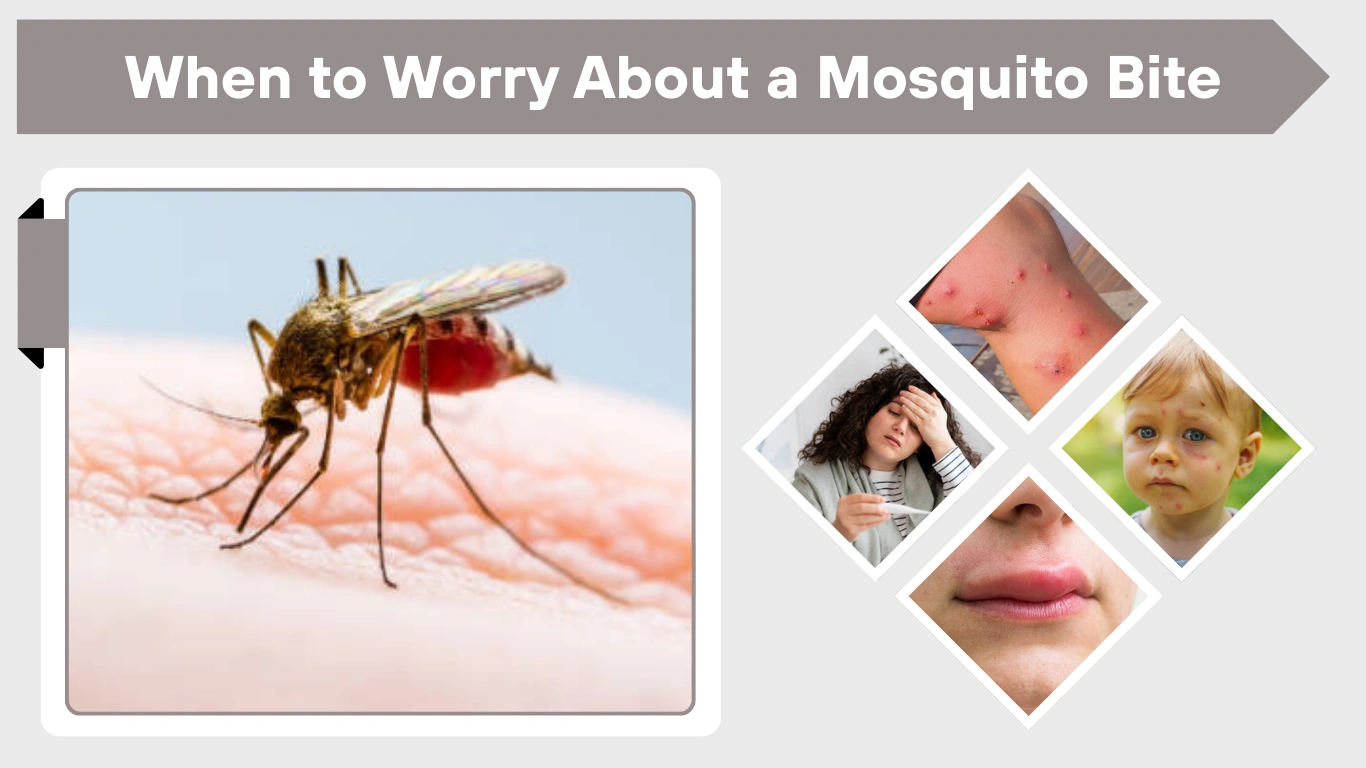
Mosquito bites are a common part of life, especially in warm and humid areas. In most cases, they cause nothing more than a small itchy bump that disappears within a few days. However, not all mosquito bites are harmless. Some can lead to infection, allergic reactions, or more serious complications. This becomes even more important when the bite affects a baby or toddler, as young children cannot always express discomfort clearly. Understanding when to worry about a mosquito bite helps you take timely action and avoid unnecessary panic or delayed treatment.
When a Mosquito Bite Is Considered Normal

Typical Symptoms You Don’t Need to Worry About
A normal mosquito bite usually has mild and predictable symptoms. These signs generally appear within a few hours after the bite and improve on their own.
- A small red or pink bump on the skin
- Mild to moderate itching
- Slight swelling limited to the bite area
- No pain, pus, or fluid discharge
- Gradual improvement within 1 to 3 days
In children and adults, normal mosquito bites do not cause fever or changes in behavior. The skin around the bite may feel slightly firm, but it should not become hot or intensely painful. If the bite follows this pattern, there is usually no need to worry, and basic home care is enough.
When to Worry About a Mosquito Bite
General Warning Signs in Adults and Children
You should start paying closer attention when a mosquito bite behaves differently than expected. One of the first signs to watch for is worsening symptoms instead of improvement. If the bite becomes more painful, red, or swollen after the first day, it may indicate a problem.
When to worry about a mosquito bite often depends on how quickly symptoms change. Rapidly spreading redness, increasing warmth, or tenderness around the bite can be signs of a skin infection such as cellulitis. Red streaks extending from the bite toward nearby areas are especially concerning and should not be ignored.
Another reason to be worried about a mosquito bite is the presence of systemic symptoms. Fever, chills, fatigue, or body aches occurring after a bite may suggest an infection or, in rare cases, a mosquito-borne illness. If these symptoms appear, medical evaluation is recommended, particularly if they persist or worsen.
When to Worry About a Swollen Mosquito Bite

How Much Swelling Is Too Much?
Mild swelling is a normal reaction to mosquito saliva, especially in people with sensitive skin. However, excessive swelling is not always normal. If the swollen area continues to grow after 24 hours or becomes unusually large, it may be time to take action.
Many people ask when to worry about a swollen mosquito bite because swelling can look alarming. As a general guideline, swelling larger than 2 to 3 inches in diameter or swelling that limits movement of a joint or limb should be monitored closely.
Signs Swelling May Indicate a Problem
Certain swelling-related symptoms suggest that the bite may be infected or triggering a stronger reaction:
- Swelling that lasts longer than 3 to 4 days
- Skin that feels hard, hot, or shiny
- Increasing pain instead of itching
- Yellow or white discharge from the bite
- Swelling accompanied by fever
When these signs are present, it is reasonable to start worrying about a swollen mosquito bite and seek medical advice, especially if the affected person is a child.
Skeeter Syndrome: Severe Allergic Reaction to Mosquito Bites
What Is Skeeter Syndrome?
Skeeter syndrome is an exaggerated allergic reaction to proteins found in mosquito saliva. Instead of a small itchy bump, the immune system responds aggressively, causing significant swelling and inflammation. This condition is more common in children, people with weakened immune systems, and those who are frequently exposed to mosquitoes.
Many parents become alarmed because the bite can look infected even when it is not. Understanding skeeter syndrome helps differentiate between allergy and infection.
Symptoms That Make Skeeter Syndrome Concerning
Skeeter syndrome can cause symptoms that overlap with infection, which is why it often raises concern:
- Very large, firm swelling at the bite site
- Intense redness and warmth
- Fever near the affected area
- Pain that interferes with normal movement
Skeeter syndrome when worrying about a mosquito bite becomes important if swelling continues to worsen, fever persists, or the child appears unwell. In such cases, medical assessment is recommended to rule out infection and manage inflammation properly.
When to Worry About a Mosquito Bite on a Baby

Why Babies Are More Vulnerable
Babies have developing immune systems, making it harder for their bodies to fight infections or manage strong allergic reactions. In addition, infants cannot communicate pain, itching, or discomfort clearly. Because of this, even a small mosquito bite may require closer observation in babies than in older children or adults.
Parents often wonder when to worry about a mosquito bite on a baby, especially if swelling or redness looks severe. While some reactions are harmless, certain symptoms should never be ignored.
Warning Signs in Infants
You should seek medical advice if a baby develops any of the following symptoms after a mosquito bite:
- Fever, especially in babies under 3 months
- Excessive or unusual crying
- Poor feeding or refusal to eat
- Lethargy or decreased activity
- Rapidly spreading redness
- Swelling on the face, lips, hands, or genitals
Any bite that appears infected or is accompanied by behavioral changes deserves prompt evaluation by a healthcare professional.
When to Worry About a Mosquito Bite on a Toddler
Unique Risks for Toddlers
Toddlers are naturally active and often scratch itchy bites without realizing the consequences. Scratching can break the skin, allowing bacteria to enter and cause infection. Because toddlers are still developing communication skills, they may not be able to explain what they are feeling clearly.
Knowing when to worry about a mosquito bite on a toddler helps parents intervene before minor problems become serious.
Concerning Symptoms in Toddlers
Parents should closely monitor mosquito bites in toddlers if they notice:
- Swelling or redness worsening after 48 hours
- Limping or avoiding use of an arm or leg
- Fever or flu-like symptoms
- Increasing pain instead of itching
- Unusual sleepiness or irritability
When these signs appear, it may indicate infection, an allergic reaction, or inflammation that needs medical attention. These warning signs apply equally when searching for when to worry about a mosquito bite on a toddler.
When to See a Doctor Immediately

Emergency Symptoms That Require Urgent Care
Some mosquito bite reactions require immediate medical evaluation. Seek urgent care or emergency help if any of the following occur:
| Symptom | Why It’s Serious |
| Difficulty breathing | Possible severe allergic reaction |
| Swelling of face, lips, or throat | Risk of airway blockage |
| High or persistent fever | Possible infection or illness |
| Rapidly spreading redness | Potential cellulitis |
| Extreme fatigue or confusion | Systemic reaction |
Prompt treatment can prevent complications, especially in young children and individuals with known allergies.
Home Care vs Medical Treatment
When Home Care Is Enough
Home care is usually sufficient when symptoms remain mild and improve steadily. This includes:
- Mild itching without pain
- Small, stable swelling
- No fever or spreading redness
- Normal eating, sleeping, and activity
Simple measures such as cleaning the bite, applying cold compresses, and preventing scratching can help the bite heal.
When Medical Care Is Needed
Medical care is recommended when symptoms worsen or do not improve. You should consult a healthcare provider if:
- Swelling or redness increases after two days
- Signs of infection appear
- Fever develops
- The bite causes significant pain
- The affected person is a baby or toddler
Preventing Mosquito Bites in Babies and Toddlers
Safe Prevention Tips
Prevention plays a key role in reducing complications from mosquito bites. Parents can lower risk by:
- Using age-appropriate mosquito repellents
- Dressing children in long sleeves and pants
- Avoiding outdoor exposure during peak mosquito hours
- Using mosquito nets and window screens indoors
Preventing bites is often easier than managing reactions later.
FAQs
How long should a mosquito bite last?
Most mosquito bites improve within 1 to 3 days. Swelling or itching that lasts longer than a few days or worsens over time may indicate infection or an allergic reaction and should be checked.
Can a mosquito bite cause fever?
A mild fever can occur with allergic reactions such as skeeter syndrome. Persistent or high fever may indicate infection or a mosquito-borne illness and requires medical attention.
Is swelling normal after a mosquito bite?
Mild swelling is normal, especially in children. Large, painful, or long-lasting swelling is not normal and may signal infection or allergy.
Should I worry if my child keeps scratching a bite?
Yes. Repeated scratching can break the skin and increase the risk of infection. Keep nails short and use itch-relief measures to reduce scratching.
When should I take my baby or toddler to a doctor?
You should see a doctor if there is fever, worsening swelling, spreading redness, behavioral changes, or if the bite affects the face or causes concern.
Conclusion
Most mosquito bites are harmless and resolve on their own with basic care. However, knowing when to worry about a mosquito bite is essential, especially for babies and toddlers who are more vulnerable to complications. Pay attention to worsening symptoms, unusual swelling, fever, or changes in behavior. When in doubt, seeking medical advice early can provide peace of mind and prevent serious problems.