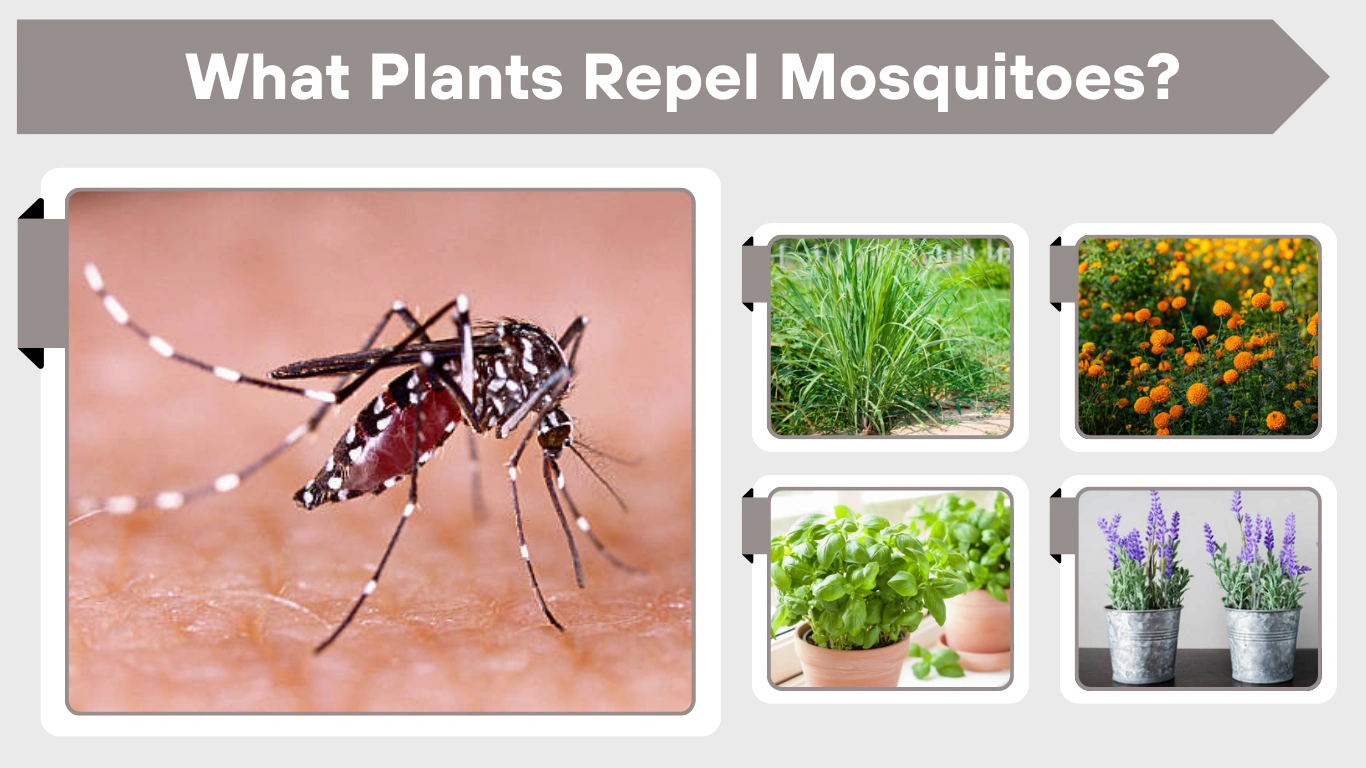
Mosquitoes are more than just a seasonal nuisance. They disrupt outdoor living, cause itchy bites, and can transmit diseases. Because of growing concerns about chemical repellents, many people look for natural alternatives to reduce mosquitoes around their homes. One popular solution is using plants that naturally repel mosquitoes. Certain plants release strong scents or natural oils that mosquitoes dislike, making them useful for gardens, patios, balconies, and even indoors. While mosquito-repellent plants are not a complete solution on their own, they can significantly reduce mosquito activity when used correctly.
How Mosquito-Repellent Plants Work
Mosquito-repellent plants work by producing natural compounds that interfere with how mosquitoes locate humans and animals. Mosquitoes rely heavily on smell to find their targets, and certain plant scents can confuse or repel them.
Natural Oils and Scents Mosquitoes Dislike
Many mosquito-repelling plants contain essential oils such as citronellal, linalool, eugenol, and menthol. These compounds are commonly found in commercial mosquito repellents. When released into the air, these scents mask the smells that attract mosquitoes, such as carbon dioxide and body odor. Plants like citronella, lavender, and mint are especially effective because they produce strong, long-lasting aromas.
Why Placement and Handling Matter
Simply having mosquito-repellent plants in your yard is not always enough. The oils responsible for repelling mosquitoes are strongest when the leaves are brushed, crushed, or exposed to airflow. Placing plants near seating areas, doorways, or windows allows their scent to spread more effectively. In still air, the repellent effect is limited, which is why combining plants with proper placement is essential.
Plants That Repel Mosquitoes Naturally

Not all plants have mosquito-repelling properties, but several well-known herbs, grasses, and flowers are proven to help reduce mosquito presence.
Common Mosquito-Repellent Plants
- Citronella grass – One of the most effective mosquito-repellent plants; commonly used in candles and oils.
- Lavender – Produces a pleasant scent for humans but repels mosquitoes and flies.
- Basil – Strong aroma that mosquitoes dislike; grows well in pots and gardens.
- Mint – Contains menthol, which helps repel mosquitoes, gnats, and ants.
- Lemongrass – High citronella content; thrives in warm climates.
- Rosemary – Woody herb that repels mosquitoes and some flies.
- Marigold – Bright flowers that contain pyrethrum, a natural insect repellent.
- Catnip – Contains nepetalactone, which can be more effective than DEET in some cases.
- Scented geranium – Often called the “mosquito plant,” especially citronella-scented varieties.
Which Plants Actually Work Best
Plants with strong fragrances tend to work best for mosquito control. Citronella grass, lemongrass, and catnip are among the most effective. However, effectiveness also depends on climate, maintenance, and placement. Herbs like basil and rosemary are excellent for small spaces, while larger grasses work better outdoors. Using a combination of plants usually produces better results than relying on just one.
Best Outdoor Plants to Repel Mosquitoes
Outdoor areas such as patios, gardens, and balconies benefit the most from mosquito-repellent plants. These plants perform best in sunny locations with good airflow.
Citronella grass and lemongrass are ideal for garden borders or large pots near seating areas. Lavender and marigolds work well along walkways and entry points. Basil, mint, and rosemary are perfect for container gardening on patios and decks. Grouping several mosquito-repellent plants together creates a stronger scent barrier and increases effectiveness.
Proper care is important. Most mosquito-repellent plants need regular watering, sunlight, and occasional pruning to stay healthy and fragrant. Healthy plants release stronger scents, which helps keep mosquitoes away.
Indoor & House Plants That Help Repel Mosquitoes

Indoor mosquito-repellent plants are useful for reducing mosquitoes near windows, doors, and living spaces, though their effect is more limited than outdoor plants.
Basil, mint, lavender, and rosemary are among the best indoor options. These plants grow well in pots and can be placed on windowsills where mosquitoes often enter. Scented geraniums also work well indoors when exposed to sunlight.
While indoor plants help, they should be combined with other preventive measures such as window screens and proper ventilation. Crushing a leaf occasionally can release more scent and improve effectiveness.
Plants That Repel Mosquitoes and Other Pests
Many mosquito-repellent plants also help deter other common household and garden pests. This makes them especially useful for people looking for natural, multi-purpose pest control solutions.
Mosquitoes, Flies, Gnats, and More
Lavender is effective against mosquitoes and flies, while mint helps repel mosquitoes, gnats, and ants. Marigolds are known to repel mosquitoes, flies, and aphids, making them ideal for vegetable gardens. Rosemary can discourage mosquitoes and certain flying insects, especially when grown outdoors or burned as dried leaves.
Some plants work better against specific pests rather than all insects. For example, catnip is extremely effective against mosquitoes but less useful against flies. Combining different plants creates broader protection and improves overall pest control.
Mosquito-Repellent Plants Safe for Dogs and Pets
Pet owners should be careful when choosing mosquito-repellent plants, as not all plants are safe for animals. Fortunately, many effective mosquito-repellent plants are also pet-friendly.
Basil, rosemary, marigold, and lavender are generally considered safe for dogs when grown and maintained properly. These plants can be placed in gardens or pots without posing a risk to pets. Mint is usually safe in small amounts but should not be consumed in large quantities.
Some plants, such as pennyroyal or certain essential-oil-heavy varieties, should be avoided around pets. When placing plants indoors, keep them out of reach to prevent chewing. Choosing pet-safe plants ensures mosquito control without risking your pet’s health.
What Is the Best Plant to Repel Mosquitoes?

There is no single plant that can completely eliminate mosquitoes. However, some plants are consistently more effective than others.
Single Best Plant vs Plant Combinations
Citronella grass is widely considered the best plant for repelling mosquitoes because of its high citronellal content. Lemongrass and catnip are also highly effective. That said, combining multiple plants usually produces better results. For example, pairing citronella with basil and lavender creates a stronger and more consistent scent barrier.
Climate also plays an important role. Warm, sunny environments enhance plant oil production, which increases repellent effectiveness. Selecting plants suited to your local climate improves results significantly.
How to Use Mosquito-Repellent Plants Effectively
Growing mosquito-repellent plants is only part of the solution. Using them correctly greatly improves their effectiveness.
Where to Plant for Best Results
Place mosquito-repellent plants near areas where people spend the most time, such as patios, decks, doorways, and windows. Hanging pots near entrances can help block mosquitoes from entering indoor spaces. In gardens, planting along walkways and borders helps create a natural repellent zone.
Extra Tips to Boost Effectiveness
Crushing or rubbing leaves releases essential oils, increasing their repellent power. Regular pruning encourages new growth and stronger scents. Using multiple plants together improves coverage, and combining plants with fans helps distribute scents more effectively. In outdoor settings, dried rosemary or sage can also be burned safely to repel mosquitoes during gatherings.
Limitations of Mosquito-Repellent Plants
While mosquito-repellent plants are helpful, they are not a standalone solution. Their effectiveness depends on scent strength, placement, and environmental conditions. In areas with heavy mosquito populations, plants alone may not provide sufficient protection.
For best results, mosquito-repellent plants should be combined with proper sanitation, elimination of standing water, window screens, and occasional use of natural repellents. Setting realistic expectations helps avoid disappointment and ensures better mosquito control.
FAQs
What plants repel mosquitoes the best?
Citronella grass, lemongrass, catnip, and lavender are among the most effective mosquito-repellent plants. These plants contain natural oils that mosquitoes dislike. Using several of these plants together provides better results than relying on just one.
Do mosquito-repellent plants really work?
Yes, mosquito-repellent plants can help reduce mosquito activity, especially in small or enclosed areas. However, they do not completely eliminate mosquitoes. Their effectiveness improves with proper placement, plant care, and when combined with other mosquito control methods.
What plants repel mosquitoes and flies?
Lavender, mint, marigold, and rosemary are effective at repelling both mosquitoes and flies. These plants release strong scents that many flying insects avoid, making them useful for patios, gardens, and outdoor seating areas.
Can indoor plants repel mosquitoes?
Indoor plants such as basil, mint, lavender, and scented geraniums can help repel mosquitoes near windows and doors. While indoor plants have a limited effect, they can reduce mosquito entry when combined with screens and proper ventilation.
What can I plant in my garden to repel mosquitoes?
You can plant citronella grass, lemongrass, marigolds, basil, lavender, and rosemary in your garden to help repel mosquitoes. Planting them near walkways, seating areas, and entrances increases their effectiveness.
Conclusion
Mosquito-repellent plants offer a natural, eco-friendly way to reduce mosquitoes around your home. While they are not a complete replacement for other control methods, they can significantly improve comfort when used correctly. By choosing the right plants, placing them strategically, and maintaining them properly, you can create a healthier and more pleasant living environment both indoors and outdoors.