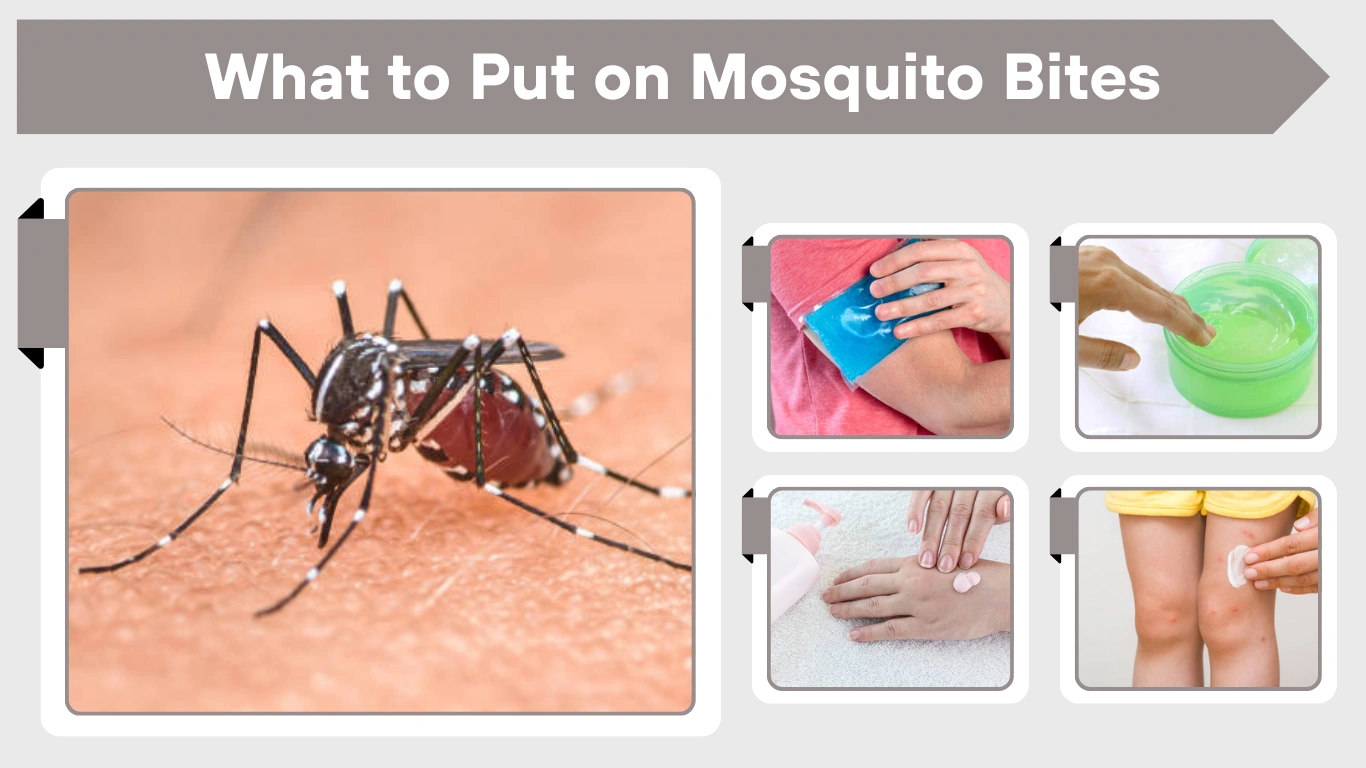
Mosquito bites are small but extremely irritating. Within minutes of a bite, the skin can become red, itchy, and swollen. For some people, mosquito bites turn into large, painful bumps that take days to heal. Scratching may bring temporary relief, but it often makes itching worse and increases the risk of infection. Knowing what to put on mosquito bites right away can help reduce discomfort, prevent swelling, and speed up healing.
Why Mosquito Bites Itch and Swell
When a mosquito bites, it injects saliva into the skin to prevent blood from clotting. This saliva triggers an immune response in the body. Histamine is released, causing redness, itching, and swelling around the bite area.
What Happens When a Mosquito Bites You
The body treats mosquito saliva as a foreign substance. Blood vessels expand, fluid collects under the skin, and nerve endings become irritated. This is why bites often appear as raised bumps that itch intensely.
Why Some Bites Get Bigger or Worse
Some people are more sensitive to mosquito saliva and experience stronger reactions. Scratching breaks the skin, allowing bacteria to enter, which can lead to infection, blistering, or long-lasting marks.
What to Put on Mosquito Bites Right Away

Treating a mosquito bite as soon as possible helps limit itching and swelling.
- Wash the area with mild soap and water to remove bacteria
- Apply a cold compress or ice pack for 10–15 minutes
- Use aloe vera gel to soothe irritation
- Apply calamine lotion to reduce itching
Immediate care helps calm the skin and prevents the bite from becoming inflamed.
What to Put on Mosquito Bites to Stop Itching
Itching is the most uncomfortable part of a mosquito bite, but several effective treatments can bring relief.
Best Over-the-Counter Treatments
Hydrocortisone cream is one of the most commonly recommended options. It reduces inflammation and itching when applied in a thin layer. Antihistamine creams or gels can also help block the allergic response that causes itching.
Natural Anti-Itch Remedies
Many home remedies work well for mild bites. A baking soda paste made with water can neutralize itching. Oatmeal has calming properties and is especially useful for multiple bites. A small amount of honey may also help due to its natural anti-inflammatory effects.
What to Put on Swollen or Inflamed Mosquito Bites
Swelling occurs when the immune system reacts strongly to the bite. Keeping swelling under control helps reduce pain and speeds up recovery.
Applying ice or a cold pack several times a day can shrink blood vessels and reduce inflammation. Elevating the affected area, especially on arms or legs, may also help. For more severe swelling, anti-inflammatory creams such as hydrocortisone can be applied as directed.
What to Put on Mosquito Bites for Babies, Toddlers, and Kids

Children’s skin is more sensitive, so mosquito bite treatment must be gentle and safe.
Safe Options for Babies and Toddlers
For babies and young children, cold compresses are one of the safest options. Pediatric-approved anti-itch creams can be used sparingly. Keeping the area clean and dry is important to prevent infection.
What to Avoid on Children’s Skin
Avoid using strong essential oils, adult-strength medications, or products with alcohol. These can irritate sensitive skin and cause more harm than relief.
What to Put on Mosquito Bites Naturally
Natural remedies are popular for people who prefer chemical-free options.
Aloe vera helps cool the skin and reduce redness. Coconut oil moisturizes the area and may reduce irritation. Lavender oil and tea tree oil can be helpful when properly diluted with a carrier oil. Always test natural remedies on a small area of skin before regular use.
What Cream, Ointment, or Medicine Is Best for Mosquito Bites
When itching or swelling becomes uncomfortable, medicated treatments can provide faster relief. The best option depends on the severity of the bite and the person’s skin sensitivity.
Hydrocortisone cream is widely used to reduce redness, swelling, and itching. It works by calming the immune response at the bite site. Antihistamine creams help block histamine release and are especially useful for people who have strong allergic reactions to mosquito bites. If a bite has been scratched open, a thin layer of antibiotic ointment can help prevent infection.
Oral antihistamines may be helpful for multiple bites or severe itching, but they should be used according to medical advice, especially for children.
What to Put on Infected, Allergic, or Blistered Mosquito Bites

Some mosquito bites become more serious and require extra care.
Signs a Mosquito Bite Is Infected
An infected bite may show increased redness, warmth, pus, or spreading swelling. Pain and fever are signs that medical attention may be needed.
What to Do
Clean the area gently with soap and water. Apply an antibiotic ointment to open or scratched bites. Avoid covering the area too tightly. If symptoms worsen or do not improve within a few days, it is best to see a healthcare provider.
Allergic mosquito bites may cause large, hard, or blistered bumps. Antihistamine creams or oral antihistamines can help reduce the reaction.
What to Put on Mosquito Bites on the Face, Eyelid, or Sensitive Areas
Bites on the face, eyelids, or other sensitive areas require gentle treatment. Avoid strong creams or essential oils near the eyes. A cold compress is often the safest and most effective option.
Mild hydrocortisone creams may be used carefully on facial skin, but only in small amounts. If swelling around the eyes increases or vision is affected, medical advice should be sought immediately.
What to Put on Mosquito Bites to Heal Faster and Prevent Scars

Healing mosquito bites quickly reduces the chance of scars and dark marks. The most important step is avoiding scratching, as broken skin heals more slowly.
Keep the bite clean and moisturized with gentle lotions or aloe vera. If a scab forms, allow it to heal naturally. For people prone to scarring, silicone-based scar treatments or vitamin E creams may help once the bite has healed.
What to Put on Mosquito Bites on Dogs
Mosquito bites can also affect dogs, especially on areas with less fur such as the nose, ears, and belly. Mild bites can be treated with a cold compress to reduce itching.
Only use pet-safe anti-itch sprays or creams recommended by a veterinarian. Never apply human medications or essential oils to dogs without professional advice, as some ingredients can be toxic to pets.
Common Mistakes That Make Mosquito Bites Worse
- Scratching bites until the skin breaks
- Applying toothpaste, alcohol, or harsh chemicals
- Using undiluted essential oils directly on skin
- Ignoring signs of infection
Avoiding these mistakes helps bites heal faster and reduces complications.
FAQs
What is the best thing to put on mosquito bites?
The best option depends on the bite. For mild bites, aloe vera or calamine lotion works well. For stronger itching or swelling, hydrocortisone or antihistamine creams provide faster relief.
What stops mosquito bites from itching fast?
Cold compresses and hydrocortisone cream are among the fastest ways to stop itching. Applying treatment as soon as possible after the bite helps prevent irritation from getting worse.
What is safe to put on mosquito bites for babies?
Cold compresses and pediatric-approved creams are safest for babies. Avoid essential oils and adult medications unless approved by a healthcare professional.
Final Thoughts
Mosquito bites are common, but proper treatment makes a big difference. Treat bites early, choose safe options based on age and severity, and avoid scratching. With the right care, mosquito bites can heal quickly without infection or scarring.