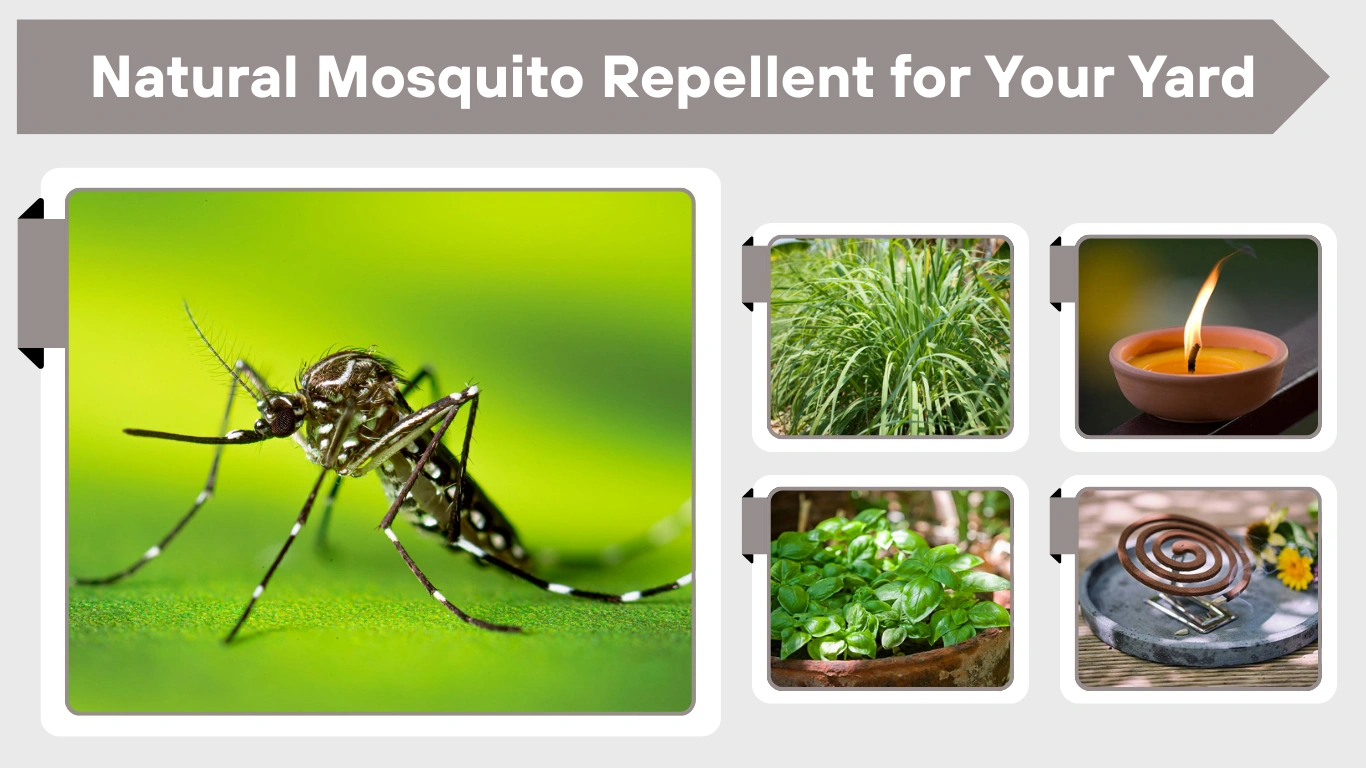
Mosquitoes can quickly turn a relaxing backyard into an uncomfortable space. While chemical sprays work, many homeowners prefer natural mosquito repellents that are safer for families, pets, and pollinators. Fortunately, there are effective plant-based, DIY, and landscaping solutions that help reduce mosquito populations naturally. This guide explores proven natural methods you can use to repel mosquitoes from your yard without harsh chemicals.
Why Choose Natural Mosquito Repellents?
Natural mosquito control methods focus on repelling mosquitoes or eliminating breeding areas rather than poisoning insects. Benefits include:
- Safer for children and pets
- Environmentally friendly
- Protects bees and butterflies
- Reduces chemical exposure
- Often low-cost and easy to apply
Using multiple natural methods together usually provides the best results.
Mosquito-Repelling Plants for the Yard

Certain plants naturally release scents that mosquitoes dislike. While plants alone won’t eliminate mosquitoes, they help reduce activity when placed strategically.
Best Mosquito-Repellent Plants
- Citronella grass – One of the most well-known natural repellents
- Lavender – Repels mosquitoes and attracts pollinators
- Basil – Strong aroma deters insects
- Lemongrass – Contains citronellal compounds
- Marigolds – Natural pest deterrent
- Mint – Effective but should be contained
Place these plants near patios, seating areas, and walkways for best effect.
Essential Oils as Natural Yard Repellents
Essential oils contain concentrated plant compounds that repel mosquitoes when diluted properly.
Most Effective Essential Oils
- Lemon eucalyptus oil
- Citronella oil
- Lavender oil
- Peppermint oil
- Tea tree oil
- Neem oil
DIY Essential Oil Yard Spray
Ingredients:
- 10 drops essential oil (or blend)
- 1 cup water
- 1 tablespoon witch hazel or vinegar
Mix and spray on outdoor furniture, plants (spot test first), and shaded areas. Reapply every few days or after rain.
Natural Mosquito Repellent Candles & Smoke

Smoke disrupts mosquito sensory systems and keeps them away from gathering areas.
Natural Options
- Citronella candles
- Soy candles with essential oils
- Lemongrass incense sticks
- Dried sage or rosemary bundles
Place candles around seating areas to create a protective perimeter.
Eliminate Mosquito Breeding Grounds Naturally
Mosquito control starts with prevention. Standing water is where mosquitoes lay eggs.
Steps to Reduce Breeding
- Empty birdbaths every 2–3 days
- Clean gutters regularly
- Remove unused containers
- Refresh pet water bowls daily
- Improve drainage in low areas
Even a bottle cap of water can breed mosquitoes, so consistency matters.
Encourage Natural Mosquito Predators
Nature provides its own mosquito control when the ecosystem is balanced.
Helpful Predators
- Birds (swallows, purple martins)
- Bats
- Dragonflies
- Frogs and toads
- Fish (in ponds)
Install birdhouses, bat boxes, or small water features with mosquito-eating fish to reduce populations naturally.
Natural Yard Sprays & Granules

Some natural repellents can be applied directly to lawns and shrubs.
Common Natural Treatments
- Garlic spray (commercial or homemade)
- Neem oil solutions
- Cedar oil sprays
- Diatomaceous earth (dry areas only)
These treatments repel mosquitoes without harming beneficial insects when used correctly.
Lawn & Yard Maintenance Tips
Mosquitoes prefer shade, moisture, and tall vegetation.
Simple Maintenance Practices
- Mow grass regularly
- Trim hedges and shrubs
- Remove leaf piles
- Improve air circulation
- Reduce dense ground cover
A well-maintained yard is less attractive to mosquitoes.
How Effective Are Natural Mosquito Repellents?
Natural repellents work best when layered together. No single method provides complete protection, but combining plants, sprays, candles, and water control can reduce mosquito activity significantly—often by 60–80% in residential yards.
FAQs
Are natural mosquito repellents really effective?
Yes, when used consistently and in combination. Natural methods repel mosquitoes and reduce breeding, though they may not eliminate them completely like chemical foggers.
Is citronella safe for pets?
Citronella plants are generally safe outdoors, but concentrated citronella oil should not be applied directly to pets or ingested.
How often should I apply natural mosquito sprays?
Most natural sprays should be reapplied every 3–7 days or after heavy rain for best results.
Do mosquito-repellent plants work on their own?
Plants help but work best when combined with sprays, candles, and water control methods.
What is the safest mosquito repellent for kids?
Plant-based solutions like lemon eucalyptus oil (properly diluted) and citronella candles used outdoors are among the safest options.
Final Thoughts
Using a natural mosquito repellent for your yard is an effective way to enjoy outdoor spaces without harsh chemicals. By combining mosquito-repelling plants, essential oils, proper yard maintenance, and breeding prevention, you can significantly reduce mosquito activity while keeping your yard safe, healthy, and eco-friendly.