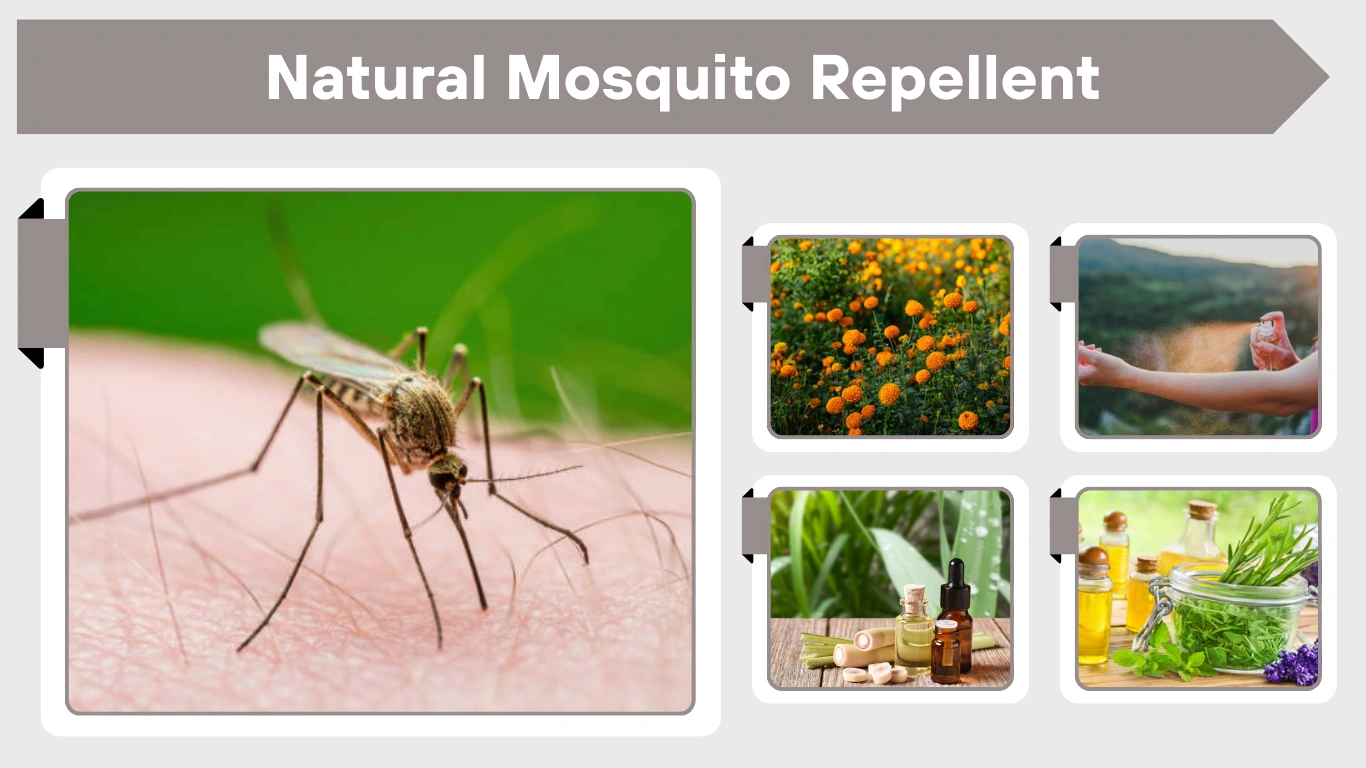
Natural mosquito repellents are increasingly popular among people who want to avoid harsh chemicals on their skin, around their families, or in their outdoor spaces. Whether used on the body, in the home, or throughout the yard, natural repellents rely on plant-based ingredients and scents that mosquitoes dislike. While natural options may not last as long as chemical repellents, they can still be effective when used correctly and reapplied as needed.
What Is a Natural Mosquito Repellent?
A natural mosquito repellent is any product or method that uses plant-derived ingredients to deter mosquitoes rather than synthetic chemicals. These repellents work by masking human scents or creating odors that mosquitoes find unpleasant.
Natural mosquito repellents come in many forms, including sprays, lotions, oils, candles, patches, and plants. Unlike chemical repellents that kill or disable insects, natural repellents focus on discouraging mosquitoes from landing or biting. Because of this, they often require more frequent application.
What Naturally Repels Mosquitoes?

Mosquitoes rely on smell to locate people. Certain scents interfere with this process and make humans harder to detect. Natural mosquito repellents commonly use essential oils extracted from plants, as well as fresh herbs and flowers.
Plants such as citronella grass, lavender, basil, rosemary, and lemongrass are well known for their mosquito-repelling properties. Essential oils derived from these plants are more concentrated and generally more effective than the plants alone. However, concentration, exposure, and placement all affect how well these natural methods work.
How Natural Mosquito Repellents Work
Mosquitoes are attracted to carbon dioxide, body heat, and skin odors. Natural repellents work by disrupting these signals. Strong plant-based scents confuse the mosquito’s sensory system, making it harder for them to locate a host.
Environmental factors influence effectiveness. Heat helps release essential oils, while wind can quickly disperse them. This is why natural mosquito repellents often perform best in warm, sheltered areas and may need frequent reapplication during outdoor activities.
Best Natural Mosquito Repellents
The best natural mosquito repellents typically fall into three categories: essential oil–based products, plant-based solutions, and commercial all-natural products. Each serves a different purpose depending on whether protection is needed for skin, home, or outdoor areas.
Essential oil repellents are usually the most effective for skin application, while plants and candles are better suited for area protection.
Natural Mosquito Repellent for Skin

Natural Mosquito Repellent for Humans
For adults, essential oil–based sprays and lotions are the most common natural options. Oils such as lemon eucalyptus, lavender, peppermint, and citronella are frequently used. These repellents are applied directly to exposed skin and clothing.
Natural mosquito repellents for skin typically last one to two hours and must be reapplied more often than chemical products. Diluting essential oils properly with water or a carrier oil is important to prevent skin irritation.
Natural Mosquito Repellent for Babies
When it comes to infants and young children, safety is the top priority. Many essential oils are not recommended for babies under six months. Physical barriers such as mosquito nets, protective clothing, and stroller covers are often safer than topical repellents.
For older babies, very mild plant-based products may be used, but it’s always best to consult a pediatrician before applying any repellent directly to a child’s skin.
Natural Mosquito Repellent for Mosquito Bites
Natural repellents help prevent bites, but they can also play a role in reducing irritation after a bite occurs. Aloe vera, witch hazel, and diluted lavender oil are commonly used to soothe itching and redness. These remedies do not repel mosquitoes but can provide relief once a bite has happened.
DIY Natural Mosquito Repellent
How to Make Natural Mosquito Repellent
Many people choose to make their own natural mosquito repellent at home. A basic DIY spray typically includes water, witch hazel or alcohol, and a blend of essential oils. Proper dilution is critical to ensure safety and effectiveness.
Homemade repellents should be stored in dark bottles and shaken before each use, as oils naturally separate from water.
Homemade Natural Mosquito Repellent Recipes

DIY recipes allow you to customize strength and scent while avoiding unnecessary additives. A simple spray can be made by mixing water or witch hazel with several drops of essential oils such as citronella, lavender, or peppermint. Carrier oils like coconut or jojoba oil are commonly used for lotion-style repellents applied to the skin.
Homemade repellents should be reapplied frequently, especially after sweating or swimming. Because essential oils can degrade over time, small batches are best for freshness and effectiveness.
Natural Mosquito Repellent for Yard & Outdoor Areas
Natural Mosquito Repellent for Yard
Natural yard repellents focus on reducing mosquito attraction rather than killing insects. Essential oil–based yard sprays, cedar oil treatments, and plant-based concentrates are commonly used to treat lawns, bushes, and shaded areas.
Removing standing water is one of the most effective natural methods. Birdbaths, clogged gutters, and unused containers provide breeding grounds that no repellent can fully counteract.
Natural Outdoor Mosquito Repellent Options
Candles, incense sticks, and diffusers made with natural oils offer localized protection for patios and decks. These options work best when placed close to seating areas and used in calm conditions, as wind reduces their effectiveness.
Natural Mosquito Repellent Plants

Plants that naturally repel mosquitoes include citronella grass, lemongrass, lavender, basil, rosemary, and marigolds. These plants release scents that mosquitoes avoid, especially when leaves are brushed or crushed.
While plants alone will not eliminate mosquitoes, grouping several plants near doors, windows, and outdoor seating can help reduce mosquito activity. Plants work best when combined with sprays or candles.
Natural Mosquito Repellent for Dogs & Animals
Natural Mosquito Repellent for Dogs
Dog-safe natural repellents often use diluted essential oils such as cedarwood or lemongrass. These products are typically applied to collars or bedding rather than directly to the skin.
Some oils are toxic to pets, so human repellents should never be used on animals unless specifically labeled pet-safe. Always consult a veterinarian before using homemade repellents on dogs.
Natural Fly and Mosquito Repellent for Horses
For horses, natural fly and mosquito repellents are commonly used in spray form. Ingredients often include apple cider vinegar, essential oils, and plant extracts. Regular reapplication is necessary for outdoor animals.
Natural Mosquito Repellent for Home
Indoor natural mosquito repellents include sprays, plug-in diffusers, and repellent plants placed near entry points. Sealing gaps around doors and windows significantly improves effectiveness.
Indoor repellents work best as a preventive measure rather than a solution for heavy infestations. Reducing indoor humidity and improving airflow also helps discourage mosquitoes.
Natural Mosquito Repellent vs Chemical Repellents

Natural repellents are generally safer for frequent use and sensitive skin, but they provide shorter-lasting protection. Chemical repellents like DEET or picaridin are more effective for long exposure but may not be suitable for everyone.
Many people choose a layered approach, using natural repellents for daily activities and chemical options only when mosquito pressure is high.
Common Myths About Natural Mosquito Repellents
One common myth is that natural repellents do not work at all. In reality, they work differently and require more frequent use. Another misconception is that plants alone can fully protect a yard, which is rarely true without additional measures.
Essential oils are also often assumed to be completely safe, but improper dilution can cause skin irritation or toxicity in pets.
How to Repel Mosquitoes Naturally (Best Practices)
- Use multiple natural methods together
- Reapply skin repellents frequently
- Eliminate standing water
- Place plants and candles near people, not far away
- Combine repellents with fans and barriers
FAQs
What is the best natural mosquito repellent?
Essential oil–based sprays containing citronella, lemon eucalyptus, or lavender are among the most effective natural options when reapplied regularly.
Are natural mosquito repellents safe for babies?
Physical barriers are safest for infants. Mild, pediatric-approved natural products may be used for older babies with medical guidance.
How long do natural mosquito repellents last?
Most last one to two hours and require frequent reapplication, especially outdoors.
Do natural mosquito repellents work for yards?
They can reduce mosquito activity but work best when combined with water control and proper placement.
Can natural repellents replace chemical repellents?
For light to moderate mosquito exposure, yes. For heavy exposure, chemical repellents may still be necessary.