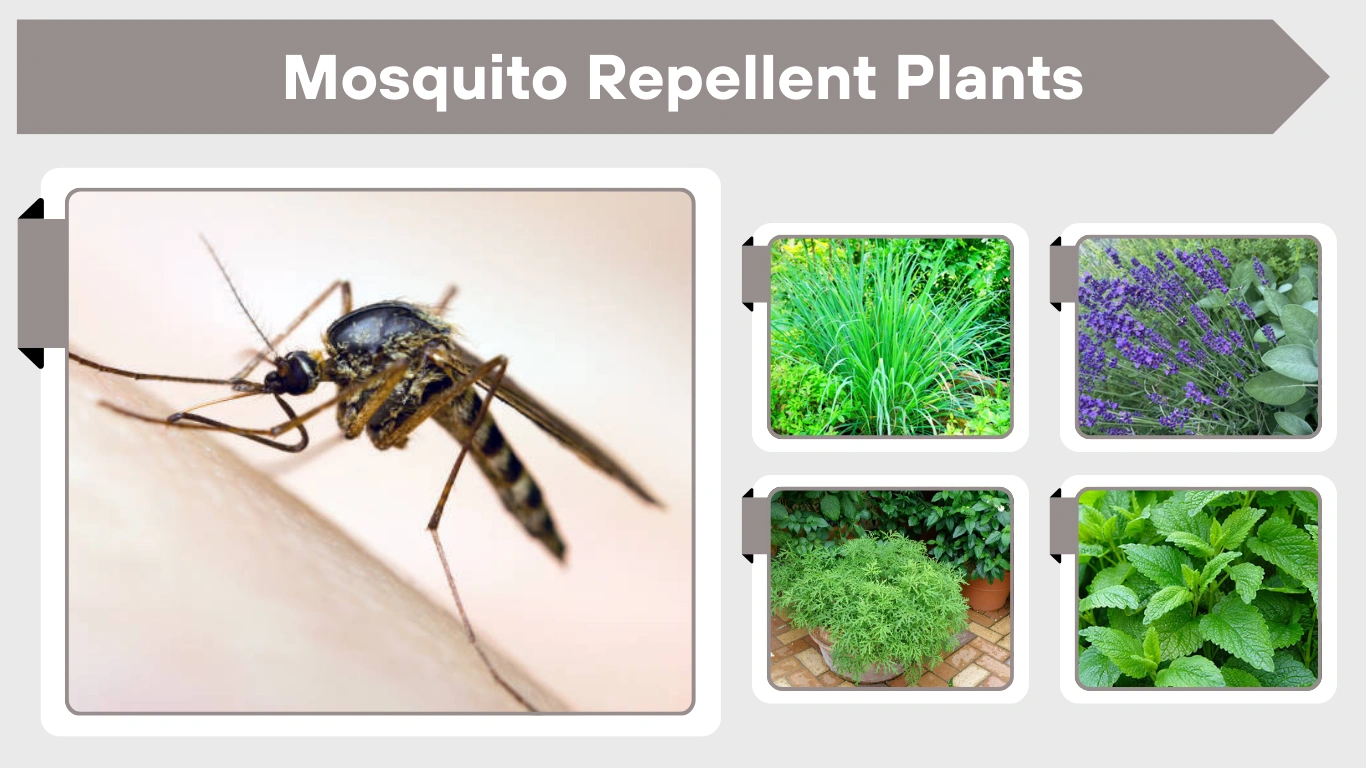
Mosquito repellent plants are a popular natural option for people looking to reduce mosquitoes without relying heavily on chemical sprays. Many common garden and houseplants release natural scents that mosquitoes dislike, helping make outdoor and indoor spaces more comfortable. While no plant can completely eliminate mosquitoes, choosing the right plants and using them correctly can noticeably reduce mosquito activity, especially around patios, windows, and seating areas.
What Are Mosquito Repellent Plants?
Mosquito repellent plants are plants that naturally produce oils or fragrances known to deter mosquitoes. These scents interfere with the insects’ ability to locate people using carbon dioxide and body odor. Unlike chemical repellents, plants do not kill mosquitoes—they simply make an area less attractive to them.
Mosquito repellent plants work best as part of a broader mosquito-control strategy that includes proper placement, airflow, and removal of standing water.
Do Plants Really Repel Mosquitoes?

Plants can help reduce mosquitoes, but their effectiveness depends on how they are used. In many cases, the mosquito-repelling compounds are strongest when leaves are brushed, crushed, or warmed by the sun. Simply placing a single plant far from where people sit will have little effect.
Outdoors, plants tend to work better when grouped together near seating areas. Indoors, their effect is more limited, but they can still help reduce mosquitoes near windows and doors.
How Mosquito Repellent Plants Work
Mosquito repellent plants contain natural compounds such as citronellal, linalool, and eugenol. These substances disrupt the mosquito’s sensory system, making it harder for them to locate humans.
Environmental factors play a major role. Wind disperses scent quickly, while heat and humidity help release plant oils. This is why mosquito repellent plants tend to be more effective in warm, sheltered areas like patios, porches, and balconies.
Best Mosquito Repellent Plants

Citronella Plant
The citronella plant is one of the most well-known mosquito repellent plants. It produces a citrus-like scent that mosquitoes avoid. It’s important to note that true citronella oil comes from citronella grass, not the common “mosquito plant” sold in garden centers.
Citronella plants work best outdoors in pots placed near seating areas. They require full sun and regular watering to stay healthy and fragrant.
Lavender Plant
Lavender is widely known for its calming scent, but mosquitoes find it unpleasant. Lavender plants repel mosquitoes while also deterring flies and moths. They perform best in sunny locations with well-drained soil.
Lavender can be grown both outdoors and indoors, although its mosquito-repelling effect is stronger outdoors where heat helps release its oils.
Lemongrass Plant
Lemongrass contains citronella oil, making it a strong natural mosquito repellent. Do lemongrass plants repel mosquitoes? Yes, especially when grown in warm climates or containers placed in direct sunlight.
Lemongrass grows tall and works well in large pots or garden borders. Crushing the leaves releases more scent and improves effectiveness.
Rosemary Plant
Rosemary is a hardy herb that mosquitoes dislike. It thrives in hot, dry conditions and works well in patio containers or garden beds. Rosemary also has the added benefit of being useful for cooking.
Burning dried rosemary sprigs outdoors can release additional repellent scent, making it useful during gatherings.
Basil Plant
Basil is another herb that acts as a natural mosquito repellent. Its strong aroma helps deter mosquitoes and flies. Basil grows well in containers and is suitable for both indoor and outdoor use.
Keeping basil near doors or outdoor seating areas can help reduce mosquito presence while providing fresh herbs for cooking.
Lemon Balm Plant
Lemon balm contains high levels of citronellal and releases a strong lemon scent. It repels mosquitoes effectively but grows aggressively. For best results, lemon balm should be grown in containers to prevent it from spreading.
Marigold Plant
Marigolds produce a scent that repels mosquitoes and other insects. They are commonly used as companion plants in gardens and around patios. Marigolds prefer full sun and can tolerate partial shade.
Indoor Mosquito Repellent Plants

Indoor mosquito repellent plants work best when placed near entry points such as windows and doors. Basil, lavender, and rosemary are popular indoor choices due to their manageable size and pleasant scent.
However, indoor plants should be viewed as a supportive measure rather than a complete solution. Limited airflow and lower heat indoors reduce the release of repellent oils.
Outdoor Mosquito Repellent Plants
Plants for Full Sun Areas
Many mosquito repellent plants perform best in full sun because warmth helps release their natural oils. Citronella grass, lemongrass, lavender, rosemary, and basil all thrive in sunny conditions. These plants are ideal for patios, balconies, and garden borders where people spend time outdoors.
Growing these plants in containers allows you to move them closer to seating areas, increasing their effectiveness. Grouping several pots together creates a stronger scent barrier than using a single plant.
Shade Plants That Repel Mosquitoes
Some mosquito repellent plants tolerate partial shade, making them suitable for covered porches and shaded patios. Lemon balm and marigolds can grow in partial shade, though their repellent effect may be slightly reduced compared to full sun.
Placing shade-tolerant plants near entrances, stairways, and shaded sitting areas can still help discourage mosquitoes.
Perennial Mosquito Repellent Plants
Perennial plants like lavender, rosemary, and lemon balm provide long-term mosquito control year after year in suitable climates. While their effectiveness varies by season, perennials offer a low-maintenance option once established.
Mosquito Repellent Plants That Repel Flies Too

Some plants repel both mosquitoes and flies, making them especially useful for outdoor dining areas. Lavender, basil, rosemary, and marigolds are known for their dual-purpose benefits. Using these plants near outdoor tables, grills, and picnic areas can improve comfort while also enhancing the space visually.
Mosquito Repellent Plants Safe for Dogs
When choosing mosquito repellent plants, pet safety is important. Basil, rosemary, marigolds, and lemon balm are generally considered safe for dogs when grown outdoors or in supervised areas.
Plants like citronella grass should be placed carefully, as concentrated oils can irritate pets if ingested. Keeping plants out of reach or using raised containers helps ensure safety.
How to Use Mosquito Repellent Plants Effectively
Placement is just as important as plant selection. Mosquito repellent plants should be positioned close to where people sit or enter the home. Grouping multiple plants together creates a stronger repellent effect.
Crushing or brushing leaves releases more oils, temporarily increasing effectiveness. Combining plants with fans, proper drainage, and eliminating standing water significantly improves results. Plants work best as part of a layered mosquito-control approach rather than a standalone solution.
Mosquito Repellent Plants vs Sprays and Candles

Mosquito repellent plants provide a continuous, low-level deterrent but are not as powerful as sprays or citronella candles. Plants are ideal for everyday use and long-term prevention, while sprays and candles are more effective for short-term or heavy mosquito activity.
Using plants alongside other repellents creates a more balanced and natural approach without relying solely on chemicals.
Mosquito Repellent Plants by Climate and Region
In warm, humid regions such as Florida, citronella grass, lemongrass, basil, and rosemary perform particularly well. These climates help release plant oils more effectively.
In cooler regions, mosquito repellent plants may only be effective during warmer months and often perform better in containers that can be moved indoors during colder seasons.
Common Myths About Mosquito Repellent Plants
One common myth is that a single plant can eliminate all mosquitoes. In reality, plants only reduce activity in a limited area. Another misconception is that citronella plants work the same way as citronella candles, which contain concentrated oils. Indoor plants also do not completely stop mosquitoes, but they can help reduce their presence near entry points.
FAQs
What plant repels mosquitoes the best?
Citronella grass, lemongrass, lavender, and rosemary are among the most effective mosquito repellent plants. Using several plants together provides better results than relying on just one.
Do citronella plants really repel mosquitoes?
Citronella plants help repel mosquitoes, but their effectiveness is much lower than concentrated citronella oil. Placement and grouping are key to noticeable results.
Does lavender repel mosquitoes indoors?
Lavender can help reduce mosquitoes indoors, especially near windows and doors, but its effect is limited compared to outdoor use.
How many mosquito repellent plants do you need?
Multiple plants placed close together work best. The exact number depends on the size of the area and airflow conditions.
Are mosquito repellent plants effective at night?
They can be effective at night, especially in warm, calm conditions. However, scent dispersal is reduced in cooler temperatures and windy areas.