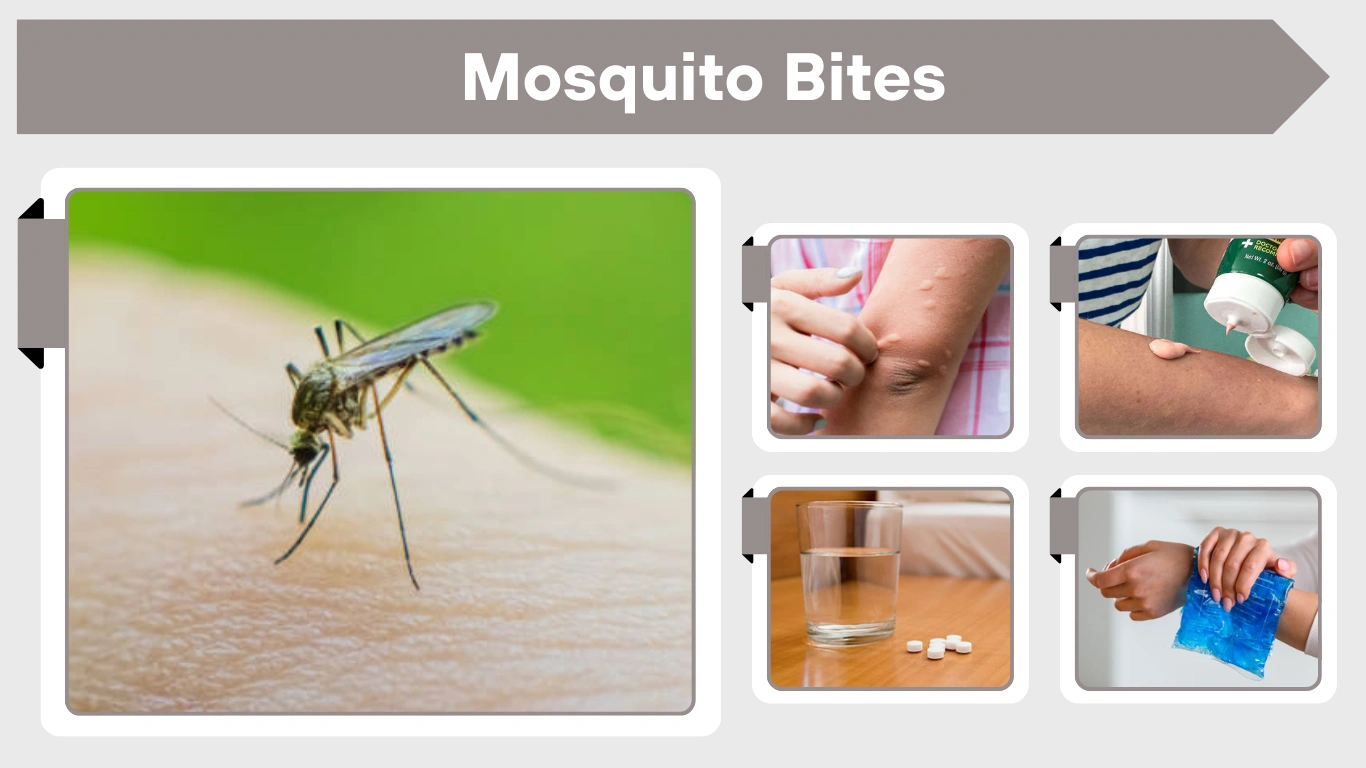
Mosquito bites are one of the most common skin irritations worldwide, causing itching, redness, swelling, and in some cases, severe allergic reactions. While most bites are harmless, identifying the type of reaction, knowing how to treat them, and understanding how to prevent future bites can make a significant difference—especially for those who react strongly. This guide covers what mosquito bites look like, why they itch, how to distinguish them from similar bites, and the most effective ways to relieve and prevent them.
What Mosquito Bites Look Like (Identification Guide)

Mosquito bites typically appear as small, raised bumps that are pink or red in color. In some cases, a tiny central puncture mark is visible where the mosquito inserted its feeding tube. For many people, itching begins within a few minutes, while for others, the reaction may be delayed by several hours.
Sensitivity varies widely. Children often develop larger welts due to a more reactive immune system. Adults with recurring exposure may notice smaller reactions over time. In severe cases or allergic individuals, mosquito bites can develop fluid-filled blisters or widespread swelling that extends several inches beyond the bite site.
Common features include:
- A pink or red bump
- Central puncture mark
- Itching within minutes to hours
- Swelling that can range from mild to significant
- Larger welts in sensitive individuals
- Blistering in rare but severe reactions
Why Mosquitoes Bite & Why It Itches
Why Mosquitoes Bite
Only female mosquitoes bite humans and animals. They require the proteins in blood to produce eggs. A mosquito locates its target using cues such as body heat, carbon dioxide output, skin odors, and movement. Some people naturally emit more attractive scents or chemicals, which can explain why mosquitoes seem to prefer certain individuals.
Why Mosquito Bites Itch
The itching comes from the mosquito’s saliva. When the mosquito pierces the skin, it injects saliva containing anticoagulants and proteins. These substances prevent the blood from clotting while the mosquito feeds. Your immune system detects these foreign proteins and releases histamine, a chemical responsible for itching, redness, and swelling. This reaction—not the bite itself—causes the familiar discomfort.
Normal vs Allergic Reactions to Mosquito Bites

Not all mosquito bites look or feel the same. Understanding the difference between a normal bite and an allergic reaction is essential for proper treatment.
Normal Reaction
A normal reaction includes:
- A small pink bump
- Mild to moderate itching
- Slight swelling
- Symptoms lasting 1–3 days
Most people fall into this category and find relief with basic treatments like ice or anti-itch creams.
Allergic Reaction (Skeeter Syndrome)
Some individuals experience a strong allergic response to mosquito saliva, known as skeeter syndrome. Symptoms may resemble an infection but are caused by inflammation.
Signs include:
- Large, warm, painful swelling
- Significant redness extending from the bite
- Blistering or fluid-filled bumps
- Area may feel hot to the touch
- Symptoms lasting 3–10 days
This type of reaction is most commonly seen in children, people with immune sensitivities, or individuals who have not been exposed to mosquito species in a long time.
When an Infection Occurs
An infected mosquito bite is usually caused by scratching, which introduces bacteria into the wound. Symptoms that may indicate infection include:
- Worsening pain
- Pus, yellow crusting, or oozing
- Spreading redness or streaks radiating outward
- Fever or swollen lymph nodes in severe cases
Medical attention is advised when infection is suspected, especially if the bite worsens instead of improving after 48–72 hours.
Mosquito Bite Look-Alikes (What’s NOT a Mosquito Bite)

Although mosquito bites are common, many skin irritations resemble them. Identifying the true source of a bite-like mark helps prevent further exposure and incorrect treatment.
Bed Bug Bites
Bed bug bites often appear in small clusters or lines—frequently referred to as a “breakfast-lunch-dinner” pattern. They typically emerge overnight and may cause intense itching but tend to stay grouped in a particular area.
Flea Bites
Flea bites are small, red bumps that often appear on the ankles or lower legs. They itch intensely and usually present in clusters. Unlike mosquitoes, fleas frequently bite multiple times in the same region.
Spider Bites
Spider bites are far less common and usually more painful than mosquito bites. A spider bite may show two puncture marks, significant swelling, or localized redness. In rare cases, venomous spider bites can cause blistering or tissue damage.
Normal vs Allergic Reactions to Mosquito Bites
Some skin issues can be mistaken for mosquito bites, including:
- Contact dermatitis
- Eczema
- Allergic skin reactions
- Heat rash
When bumps persist longer than a week or spread unexpectedly, they may not be insect-related.
Comparison Tables (VS Sections)
Mosquito Bite vs Bed Bug Bite
| Feature | Mosquito | Bed Bug |
| Pattern | Random | Clusters or lines |
| Itch | Intense | Moderate to intense |
| Timing | Anytime outdoors | Appears overnight |
| Appearance | Pink bump | Red welts |
Mosquito Bite vs Spider Bite
| Feature | Mosquito | Spider |
| Pain | Mild itching | Often painful |
| Mark | Single bump | Two punctures possible |
| Reaction | Itchy welt | Swelling, redness, possible blister |
Mosquito Bite vs Flea Bite
| Feature | Mosquito | Flea |
| Location | Exposed skin | Ankles, lower legs |
| Pattern | Random | Multiple clusters |
| Itch | Moderate to severe | Extremely itchy |
Best Mosquito Bite Treatments

Mosquito bite treatment focuses on reducing itching, swelling, and inflammation. While most bites heal quickly on their own, proper treatment helps prevent complications such as infection or excessive scratching.
Medical & Over-the-Counter Treatments
Several OTC options provide fast and effective relief:
- Antihistamines (cetirizine, loratadine, diphenhydramine) help reduce itching and swelling by blocking histamine.
- Hydrocortisone cream (1%) decreases inflammation and is excellent for larger or more irritated bites.
- Calamine lotion soothes itching and dries fluid-filled blisters that may develop in stronger reactions.
- Antihistamine creams offer localized relief when itching becomes disruptive.
- Topical anesthetics, such as pramoxine or lidocaine, temporarily numb the skin.
For children, always check age restrictions on antihistamine products to ensure safe use.
Natural & Home Remedies
Many people prefer gentle, natural options to calm mosquito bite irritation. Some highly effective remedies include:
- Cold compresses immediately numb the skin and reduce swelling.
- Aloe vera gel provides cooling relief while promoting skin healing.
- Oatmeal paste or colloidal oatmeal baths soothe widespread irritation.
- Baking soda paste neutralizes acidic irritants and reduces itching.
- Honey, with antibacterial and anti-inflammatory properties, helps prevent infection.
- Tea tree or lavender oil (diluted) offers antiseptic and soothing effects, reducing itch and inflammation.
No matter the remedy, avoid scratching—breaking the skin dramatically increases infection risk.
How to Stop Mosquito Bites From Itching

Stopping the itch is often the top priority after being bitten. Scratching temporarily satisfies but ultimately worsens irritation and swelling. The right methods can provide rapid and lasting relief.
Immediate Relief Methods
- Apply a cold pack for 10–15 minutes to numb itch receptors.
- Use an anti-itch cream like calamine, menthol, or hydrocortisone.
- Take an oral antihistamine if multiple bites make sleep difficult.
- Use baking soda paste to neutralize the inflammation.
- Apply aloe or honey to soothe irritated skin.
What NOT to Do
Certain habits make bites worse:
- Do not scratch, even lightly—scratching damages the skin barrier and increases infection risk.
- Avoid hot showers, which intensify itching by increasing blood flow.
- Do not apply undiluted essential oils, which can irritate already sensitive skin.
Infected Mosquito Bites (When to Worry)
While most mosquito bites heal without issue, infection can occur—primarily due to scratching or poor hygiene around the bite area. Being aware of warning signs helps prevent complications.
Signs of Infection
Look for symptoms that worsen rather than improve:
- Increasing redness or swelling
- Pain that intensifies over time
- Pus, oozing, or yellow crust formation
- Warmth around the bite
- Red streaks spreading from the site
- Fever or swollen lymph nodes
These symptoms indicate the possibility of cellulitis or another bacterial infection.
When to Seek Medical Attention
Seek professional care if:
- Symptoms persist or worsen after 48–72 hours
- Swelling involves the face, eyes, or joints
- Red streaks appear, suggesting a spreading infection
- You experience fever, chills, or significant discomfort
- The bite develops a large blister or painful lump
Prompt treatment helps prevent complications such as abscesses or systemic infection.
Mosquito Bite Allergy (Images, Symptoms & Severity)
Some individuals experience unusually strong reactions to mosquito bites—far beyond normal itching and swelling. This condition, often called Skeeter Syndrome, is an allergic immune response to mosquito saliva.
Common Allergy Symptoms
- Large, firm, swollen welts
- Heat and redness extending several inches
- Painful tenderness at the bite site
- Blistering or fluid-filled bumps
- Fever-like symptoms in severe cases
These reactions often resemble skin infections but tend to improve with antihistamines and anti-inflammatory treatments.
Who Is More Likely to React Strongly
Allergic reactions occur more frequently in:
- Children, whose immune systems respond more aggressively
- People with compromised or sensitive immune systems
- Individuals newly exposed to mosquito species not native to their region
Allergy symptoms may last longer—typically 3–10 days—and may require stronger treatments.
How to Get Rid of Mosquito Bites Overnight
Complete overnight healing isn’t always possible, but reducing swelling and itch significantly is realistic.
Steps that help:
- Apply an ice pack for 10–15 minutes.
- Use a topical antihistamine or hydrocortisone cream before bed.
- Apply aloe vera or calamine lotion to soothe irritation.
- Cover the bite with a bandage to prevent unconscious scratching.
- Elevate the affected area to reduce swelling, if applicable.
These steps often reduce redness and discomfort by morning.
Prevention—How to Avoid Mosquito Bites
Preventing mosquito bites is more effective than treating them, especially for individuals prone to allergies or infections.
Personal Protection
Adopt these strategies when outdoors:
- Wear long sleeves and long pants when possible.
- Apply EPA-approved insect repellents such as DEET, picaridin, IR3535, or oil of lemon eucalyptus.
- Remember: Mosquitoes can bite through thin clothing, including leggings or lightweight shirts. Choose tightly woven fabrics.
- Use permethrin-treated clothing for high-risk areas.
Home & Environment Measures
Reduce mosquito populations and exposure by:
- Removing standing water from buckets, pots, gutters, and pet dishes.
- Installing or repairing window screens.
- Running fans outdoors—mosquitoes are weak fliers.
- Using BTI mosquito bits in plant soil or water sources to control fungus gnats and larvae.
These measures significantly lower mosquito activity around your home.
Mosquito Behavior Facts
Do Mosquitoes Bite Dogs?
Yes, dogs can be bitten by mosquitoes. While most bites cause mild itching, some dogs develop allergic reactions. In certain regions, mosquito bites can transmit heartworms, making prevention essential.
Do Male Mosquitoes Bite?
No. Only female mosquitoes feed on blood; males consume nectar. Females require blood proteins to develop eggs, which is why they seek out humans and animals.
Can Mosquitoes Bite Through Clothes?
Yes—especially through thin, stretchy, or loosely woven fabrics. Clothing alone is not always protective unless tightly woven or treated with repellent.
Why Do Mosquitoes Bite Some People More?
Factors include:
- Higher CO₂ output
- Warmer body temperature
- Skin bacteria composition
- Genetic scent markers
- Sweat and lactic acid levels
Mosquito preference is heavily rooted in biology and chemistry.
FAQs
How long do mosquito bites last?
Most mosquito bites last 1–3 days, though itching can persist for up to a week. Allergic reactions may last 3–10 days.
How can I make mosquito bites stop itching?
Use ice packs, antihistamines, hydrocortisone, or calamine lotion. Avoid scratching and apply soothing agents like aloe or honey.
What does an allergic mosquito bite look like?
It appears as a large, hot, swollen welt with redness that spreads beyond the bite. Blistering may occur.
How many mosquito bites are dangerous?
Most bites are harmless. However, dozens of bites may cause significant swelling, infection risk, or allergic reactions—especially in sensitive individuals.
Why do mosquitoes bite me more than others?
Genetics, skin chemistry, heat output, and CO₂ levels make some people more attractive to mosquitoes.