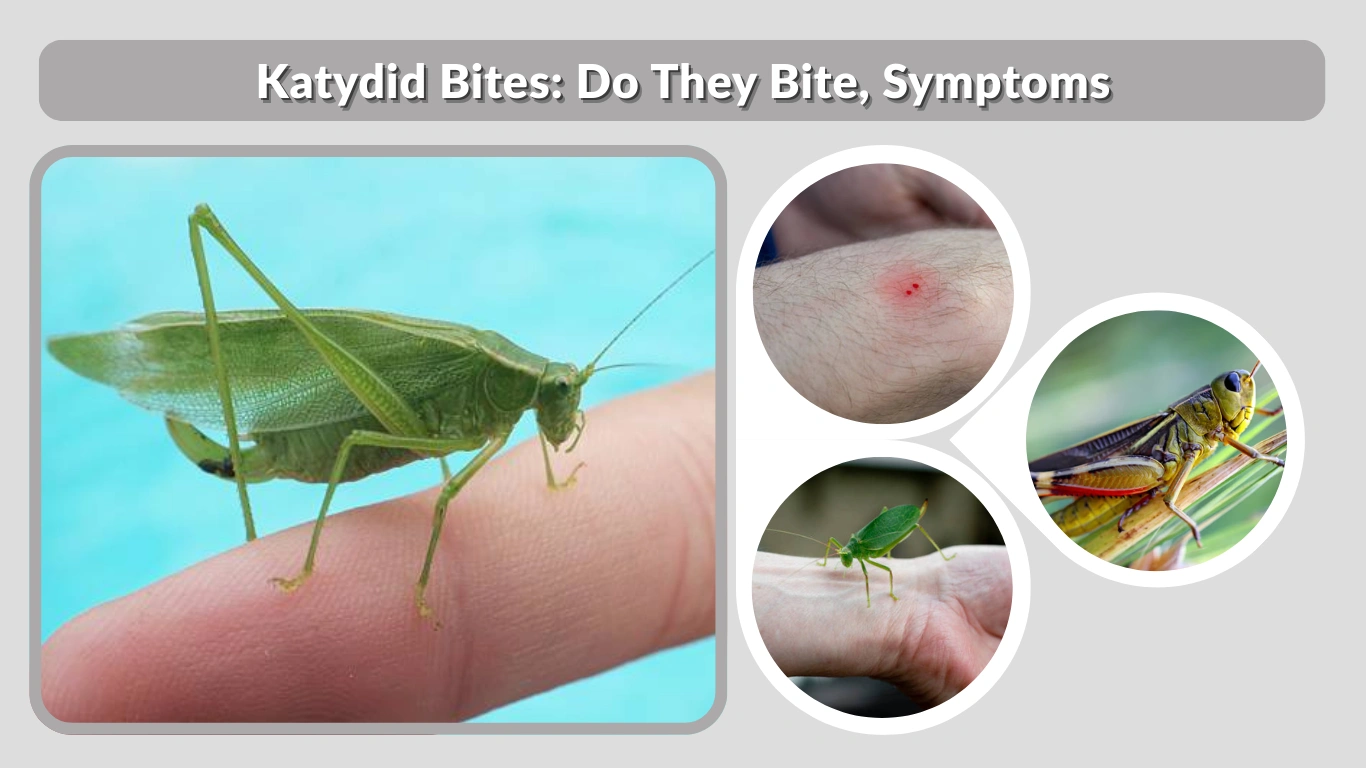
Katydids are best known for their leaflike bodies and nighttime calls, not for aggressive behavior. Yet people frequently wonder whether katydids bite, whether the bite hurts, and how to tell different species apart by their behavior. Gardeners, hikers, and exotic-insect owners often encounter katydids close-up and want to know what to expect if one feels threatened. This guide explains why katydid bites happen, what they look like, which species bite more readily, and what symptoms to watch for.
Do Katydids Bite?
Yes—katydids can bite, but they rarely do. They are shy, defensive insects that prefer hiding or jumping away rather than attacking. A katydid bite usually happens when the insect feels cornered, squeezed, or startled during handling. They do not seek out humans, and they do not bite out of aggression.
Katydid mandibles are designed for chewing leaves, so the bite is mechanical rather than venomous. Most bites feel like a sharp pinch, and many people never experience one because katydids avoid confrontation. Larger species with stronger jaws can deliver a more intense nip, but the risk remains low.
Why Katydids Bite

Katydids bite strictly as a defensive reflex. Understanding the common triggers makes it easy to avoid being bitten.
Common Reasons for Katydid Biting
- Feeling trapped between fingers or clothing
- Being grabbed from above like a predator would
- Startling during sleep or daylight hiding behavior
- Territorial stress in certain species (rare)
- Misidentification of your hand as a branch
These triggers apply to nearly all katydid families, but handling technique and gentleness significantly reduce the risk.
Symptoms of a Katydid Bite
A katydid bite is usually mild. Most people experience short-lived symptoms that fade quickly. The bite mark resembles a tiny pinch rather than a puncture wound.
Typical Symptoms
- Light redness at the bite site
- A small, round pinch mark
- Very mild swelling
- Brief stinging lasting seconds to minutes
Severe reactions are extremely rare. Katydids have no venom glands and no chemical irritants in their saliva. If irritation persists, it’s usually from skin sensitivity, not toxins.
What a Katydid Bite Looks Like

Visually, a katydid bite is subtle. It usually appears as a small red spot or slight welt, similar to a minor scrape from a plant thorn. There are no fangs or deep punctures—just a surface-level pinch mark. Some individuals show no visible mark at all after a few minutes.
A bite from a large species (like a giant Malaysian or conehead katydid) may appear slightly more pronounced because their mandibles exert more pressure, but even then, the mark remains shallow and non-serious.
Are Katydid Bites Poisonous or Dangerous?
No—katydid bites are not poisonous. These insects are harmless to humans in terms of toxins, venom, and disease transmission. They do not inject anything through their bite, and their saliva is not medically significant.
The only danger comes from:
- improper cleaning
- scratching the bite
- existing allergies to insect saliva
Even in these cases, complications are minimal.
Outdoor homeowners sometimes confuse katydid bites with bites from leaf bugs or stink bugs, which can pierce skin. Katydids lack the piercing-sucking mouthparts needed for those more painful bites.
Species Most Likely to Bite
Different katydid species vary in bite pressure and likelihood of defensive pinching. Most are gentle, but a few have reputations for stronger bites due to size or temperament.
Species With Stronger Defensive Bites
- Conehead katydids: Sharp mandibles; more likely to pinch if mishandled
- Giant Malaysian katydids: Large jaws; bite is stronger but still harmless
- Red-eyed devil katydids: Intimidating look, occasionally defensive
- Dragon-headed katydids: Spiny appearance; may pinch if grabbed
- Armored/armoured katydids: Heavy-built jaws capable of firm pressure
Most garden species—including meadow, fork-tailed bush, broad-winged, and leaf katydids—are extremely unlikely to bite.
Katydid Bite vs. Grasshopper Bite

Katydids and grasshoppers are closely related, but their bite behaviors differ noticeably. Grasshoppers are generally more willing to bite when handled, partly because they have shorter tempers and stronger chewing reflexes. Katydids, in contrast, rely on camouflage and freezing. When forced to defend themselves, they use their mandibles, but their intent is only to escape, not to injure.
Grasshopper bites are typically firmer, especially from large lubber grasshoppers. Katydid bites feel gentler because even the large species prefer retreat over resistance.
Leaf Katydids vs. Leaf Bugs: Important Difference
Many people assume a “leaf katydid” and a “leaf bug” are the same, but they belong to completely different groups. Leaf bugs (family Hemiptera) do bite and possess piercing-sucking mouthparts designed to puncture. Their bites can be sharp and painful, sometimes causing swelling.
Katydids, however, have chewing mandibles that leave surface marks. Confusion often leads people to blame katydids for bites delivered by other green insects in the same environment. Identifying the head shape helps: leaf bugs have a pointed, beaklike mouth, while katydids have rounded chewing jaws.
Katydid Bite Myths and Facts
Media, online rumors, and exotic-pet photos have created several misconceptions about katydid bites. Most are exaggerated or completely false.
Common Myths Explained
- “Katydid bites are poisonous.”
False. They have no venom and no toxin delivery system. - “Red-eyed katydids can inject venom.”
No species of katydid possesses a venom-injecting organ. - “Katydids cause warts.”
The “wart-biter” nickname comes from a European species that nips vegetation, not human skin. - “Large katydids attack humans.”
Their size only makes the pinch stronger, not aggressive.
Clearing up these myths helps people appreciate these insects as harmless and ecologically important creatures.
How to Avoid Katydid Bites

Katydids rarely bite, and prevention is simple. A few habits ensure safe interaction, whether you’re gardening, hiking, or keeping katydids as pets.
Preventive Tips
- Handle gently with open palms
- Never grab from above
- Move slowly when approaching
- Let the katydid climb onto you instead of picking it up
- Avoid disturbing them during the day when they are resting
Katydids are more startled by sudden movement than by human presence.
What to Do If a Katydid Bites You
Treatment for a katydid bite is minimal. The bite is superficial, rarely breaking the skin. Basic care is enough to prevent irritation.
Simple First Aid Steps
- Wash with soap and warm water
- Apply antiseptic if the skin is broken
- Use a cold compress for minor swelling
- Avoid scratching the area
- Watch for irritation if you have sensitive skin
Most symptoms fade within minutes to hours. Medical care is only needed if redness spreads significantly, which is uncommon.
When to Seek Medical Attention
Although rare, consult a doctor if you notice:
- increased swelling after 24 hours
- signs of infection
- unusual allergic reaction
- severe pain unrelated to the bite
These symptoms are typically caused by unrelated skin issues rather than the bite itself, but monitoring is still appropriate.
FAQs
Does a katydid bite hurt?
A katydid bite feels like a quick, sharp pinch. Larger species such as conehead or giant Malaysian katydids can deliver a stronger nip, but pain fades quickly and rarely leaves more than a tiny red spot.
Can a katydid bite you on purpose?
No. Katydids are not aggressive toward humans. If a bite occurs, it’s a defensive reaction to feeling trapped or mishandled. Their natural instinct is to escape, not attack.
Are katydid bites poisonous?
Not at all. Katydids lack venom or toxic saliva. They cannot transmit disease or produce any medically significant reaction. The bite is physically harmless.
Which katydids bite the hardest?
Conehead katydids are known for having the strongest mandibles among common species. Giant Malaysian, red-eyed devil, dragon-headed, and armored katydids can pinch firmly due to size, but none have venom or dangerous effects.
What does a katydid bite look like?
It resembles a tiny red mark, similar to a mild pinch. Sometimes a faint welt forms if you have sensitive skin. The mark usually disappears within a few minutes to a few hours.